.svg)

An immersive interior landscape where light, material, and culture converge to transform transit into a sensory journey.
Value Delivered
Project Overview
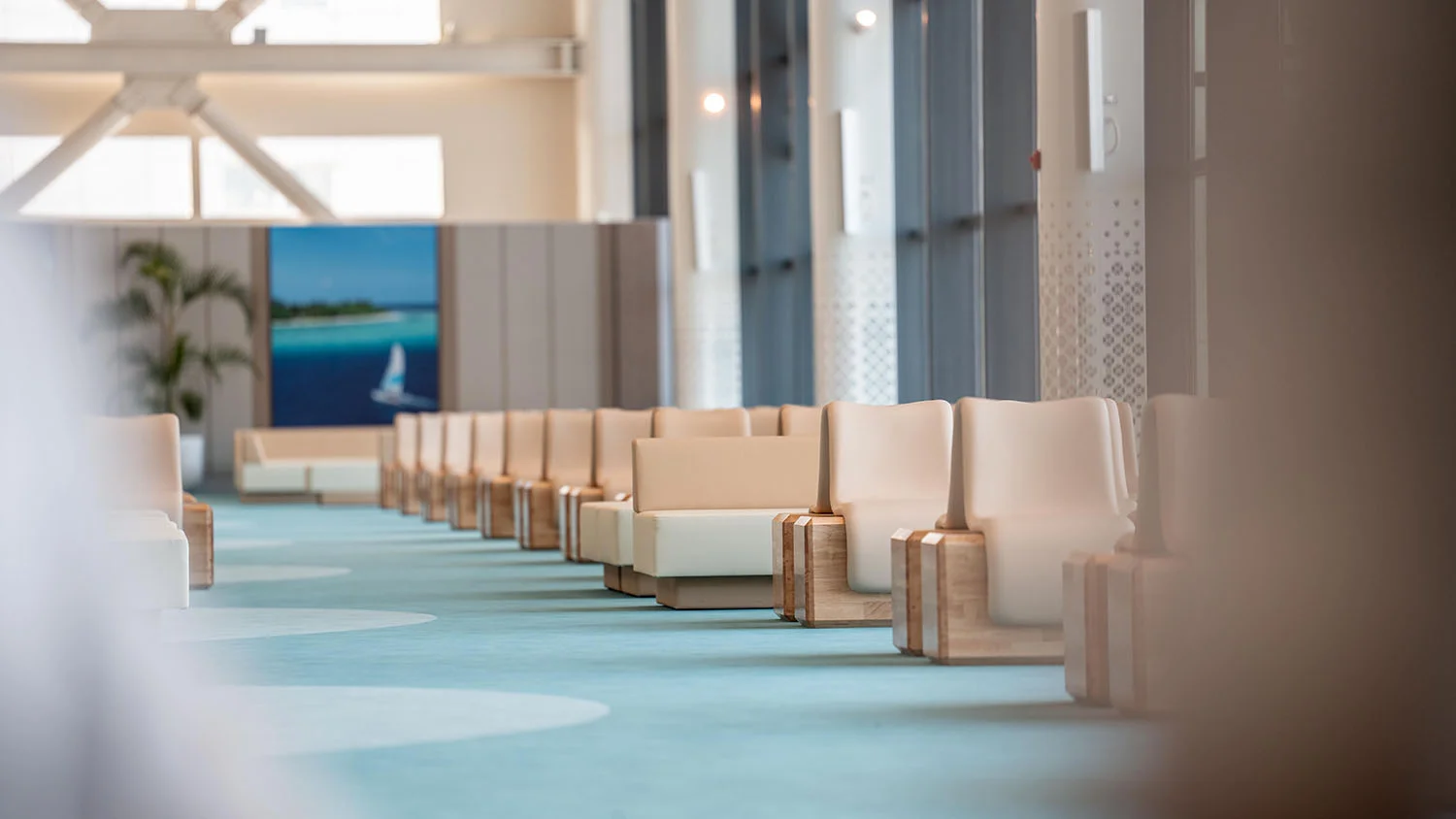
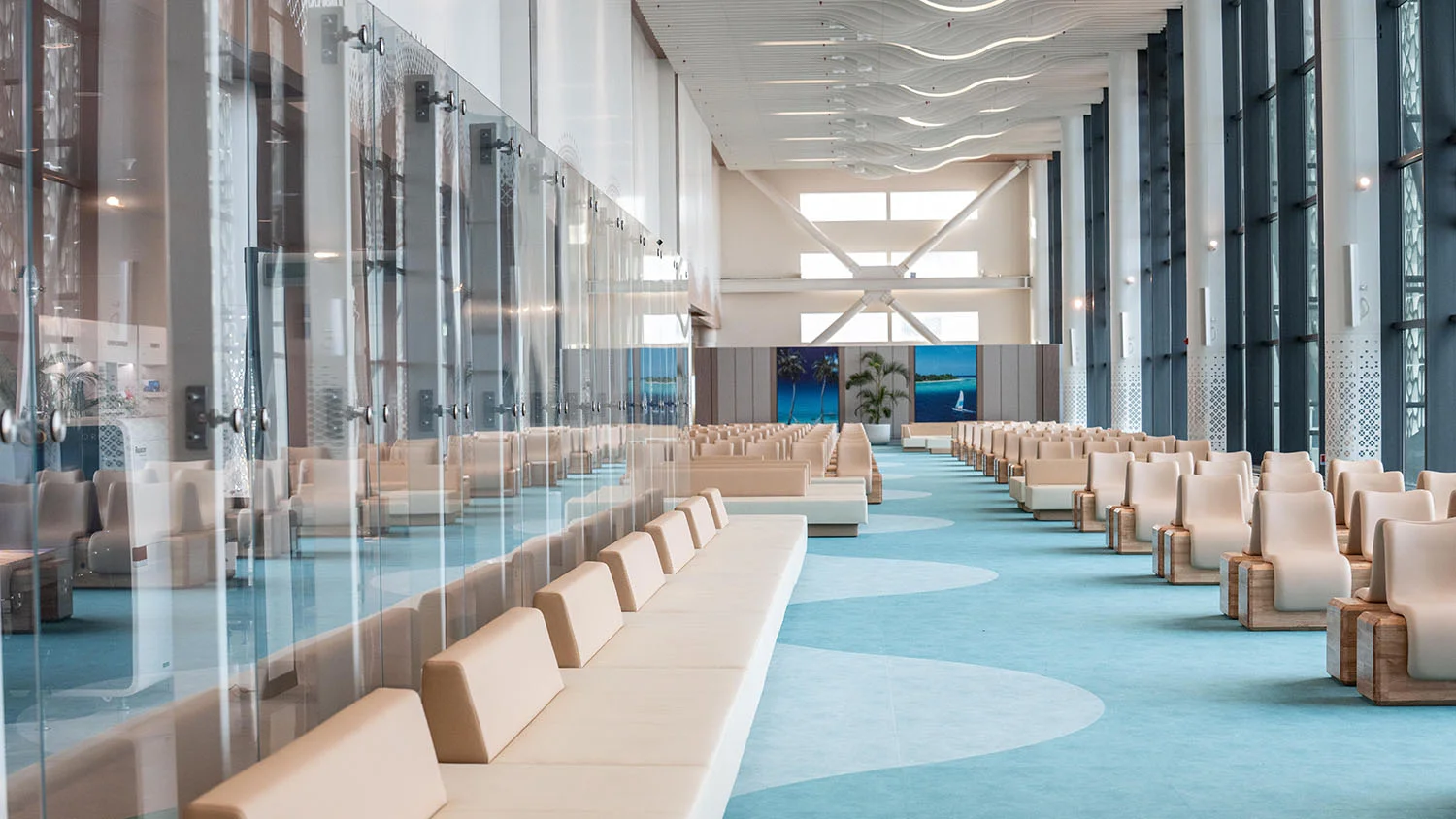
The interior design of the new Velana International Airport terminal redefines the passenger experience across 103,000 m², positioning the terminal as both infrastructure and cultural introduction. Developed by 1PAX as part of a broader architectural vision, the interiors translate the Maldivian environment and identity into spatial, material, and atmospheric qualities, enhancing passenger flow while creating a deeply contextual and emotionally resonant environment.
Key Challenge
Designing a high-capacity international terminal that meets stringent operational and environmental performance requirements, while delivering a distinctive, culturally embedded interior experience that avoids generic airport typologies.
Our Approach
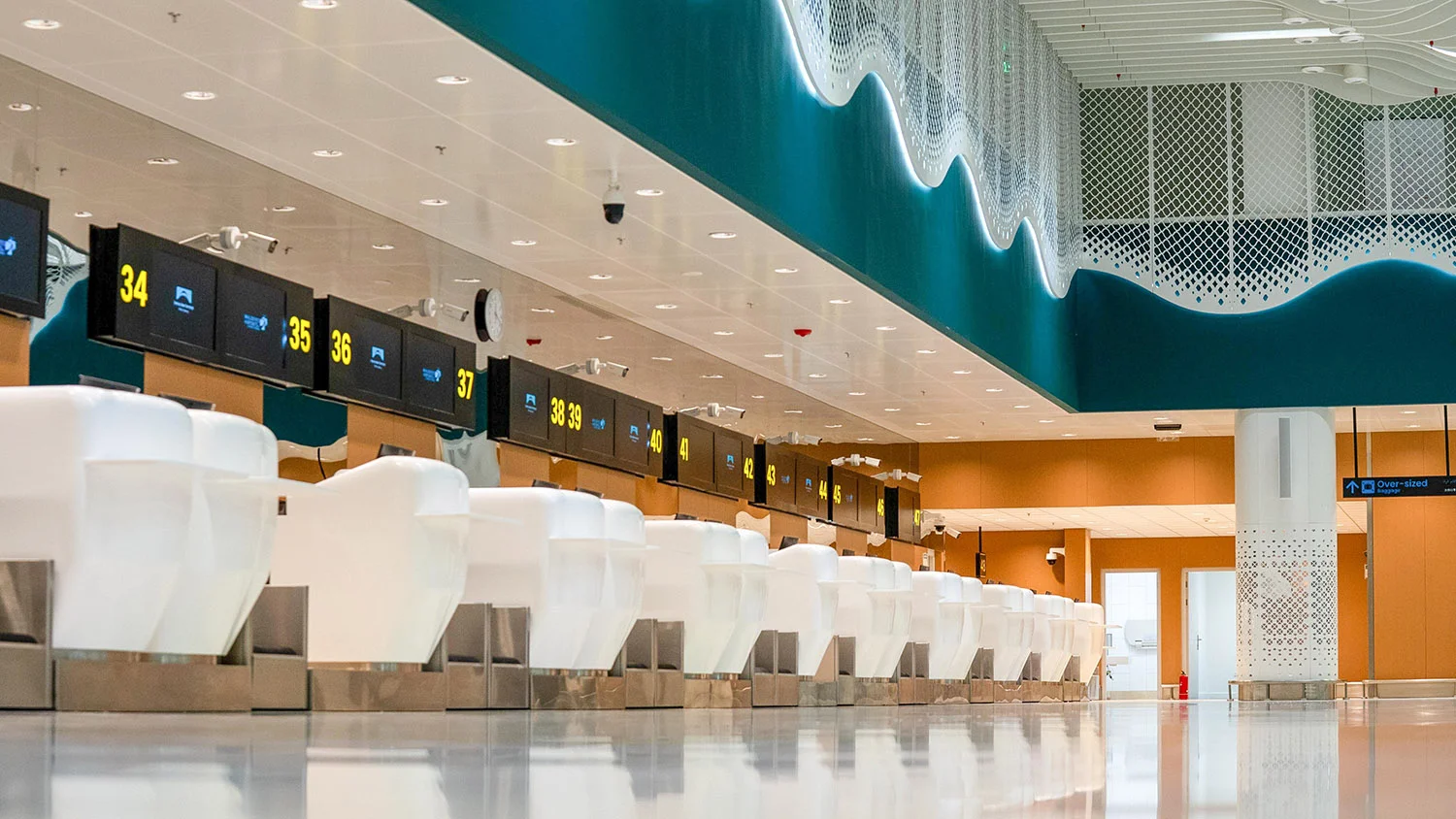
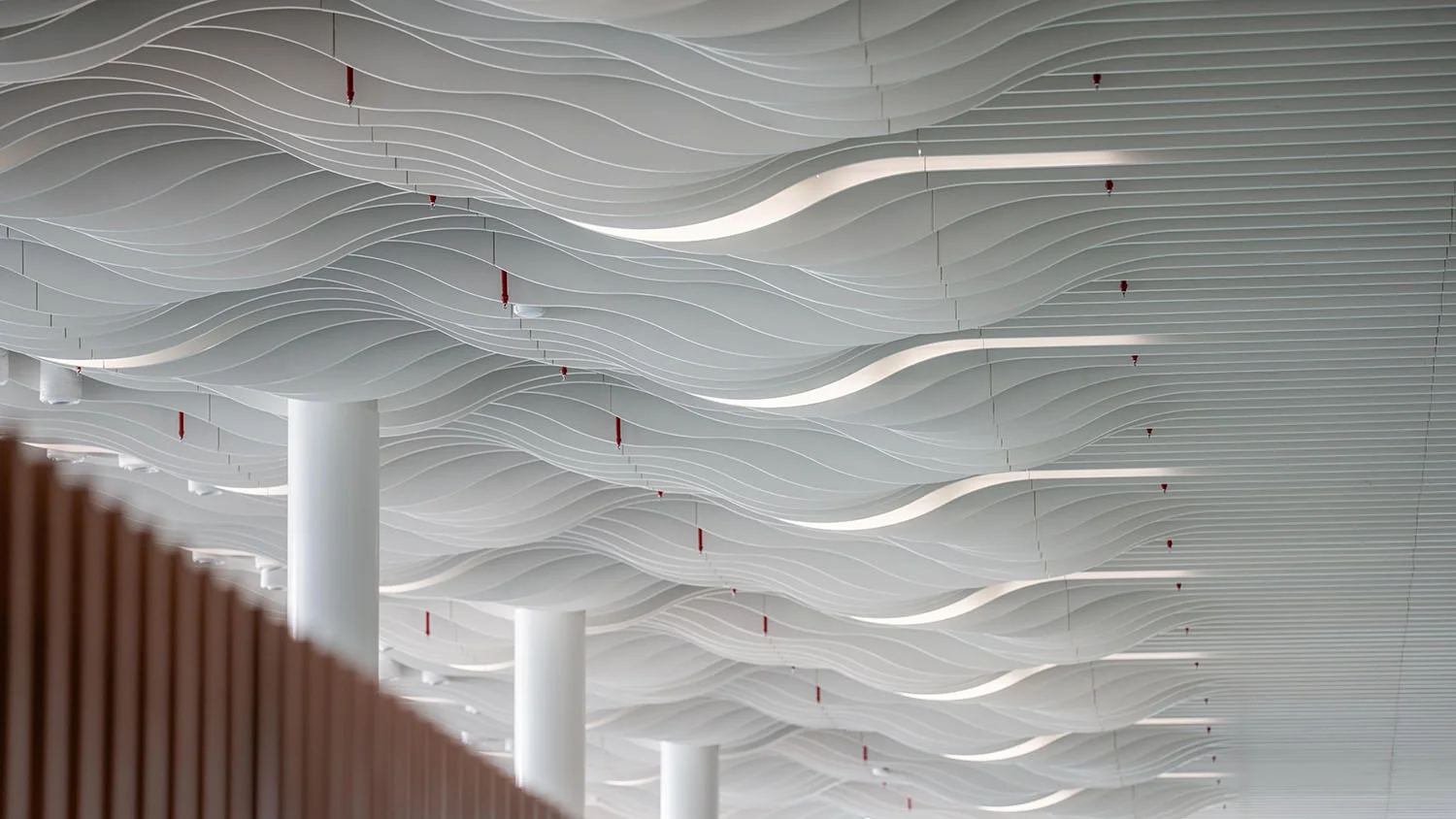
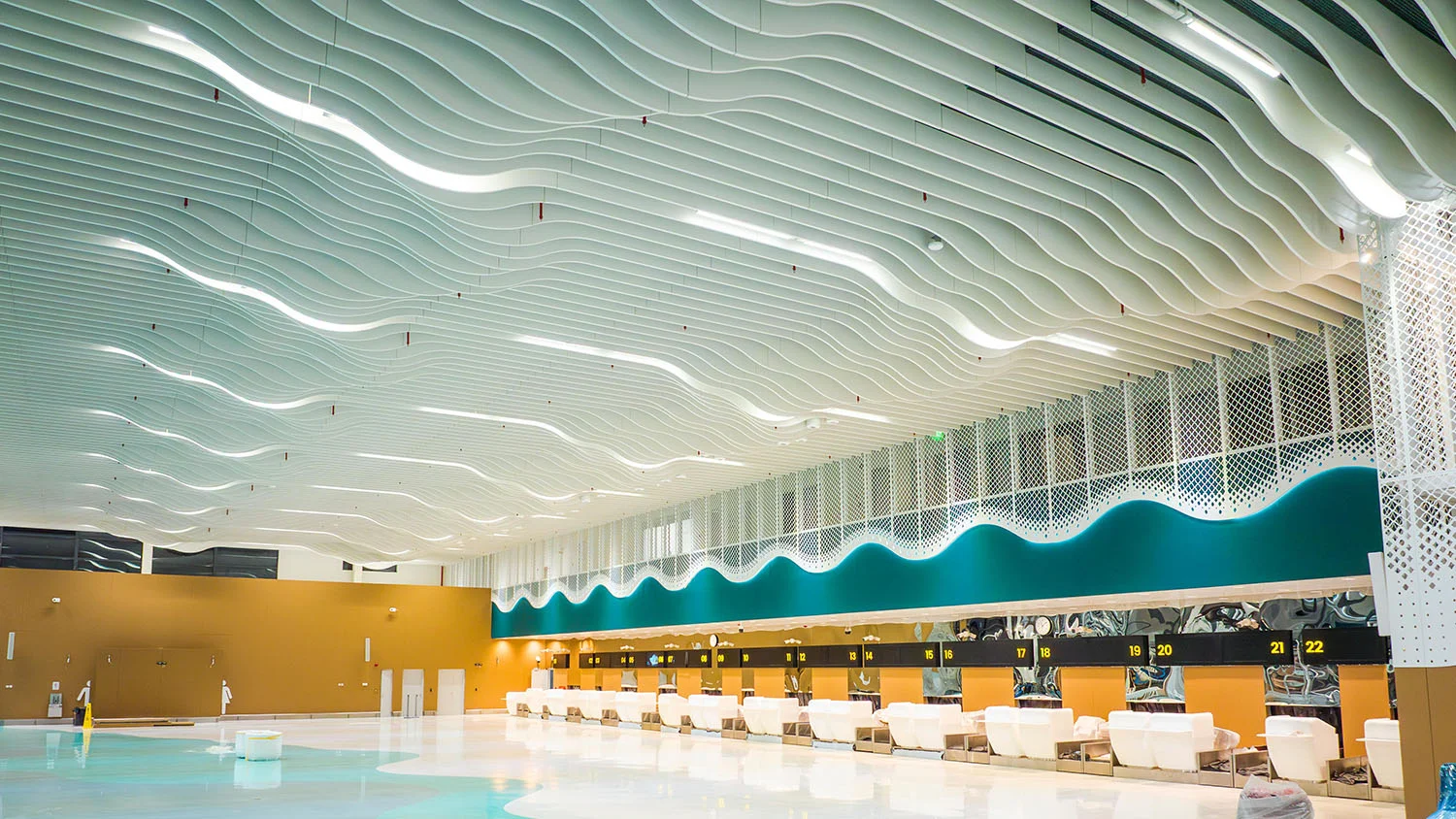
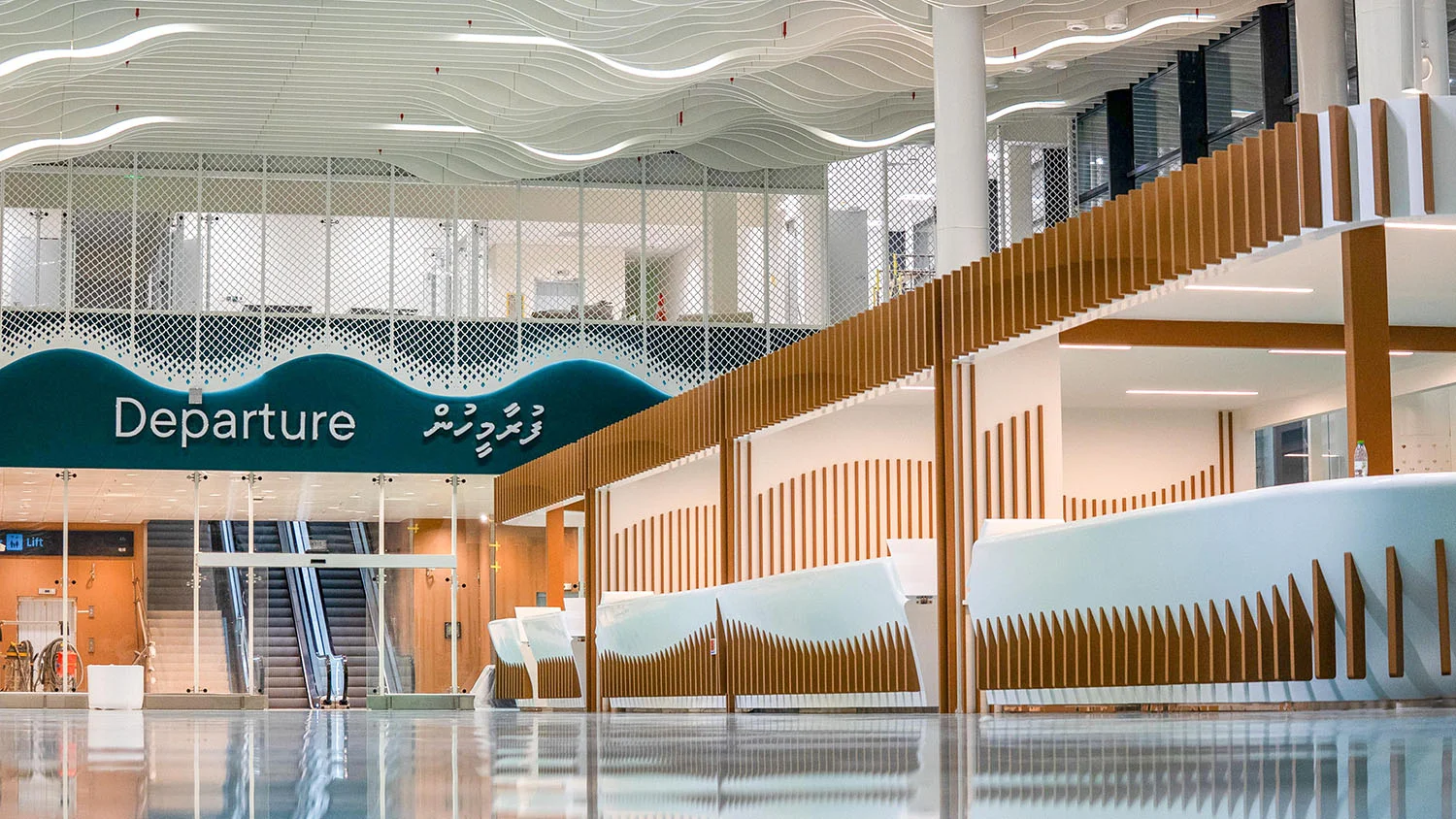
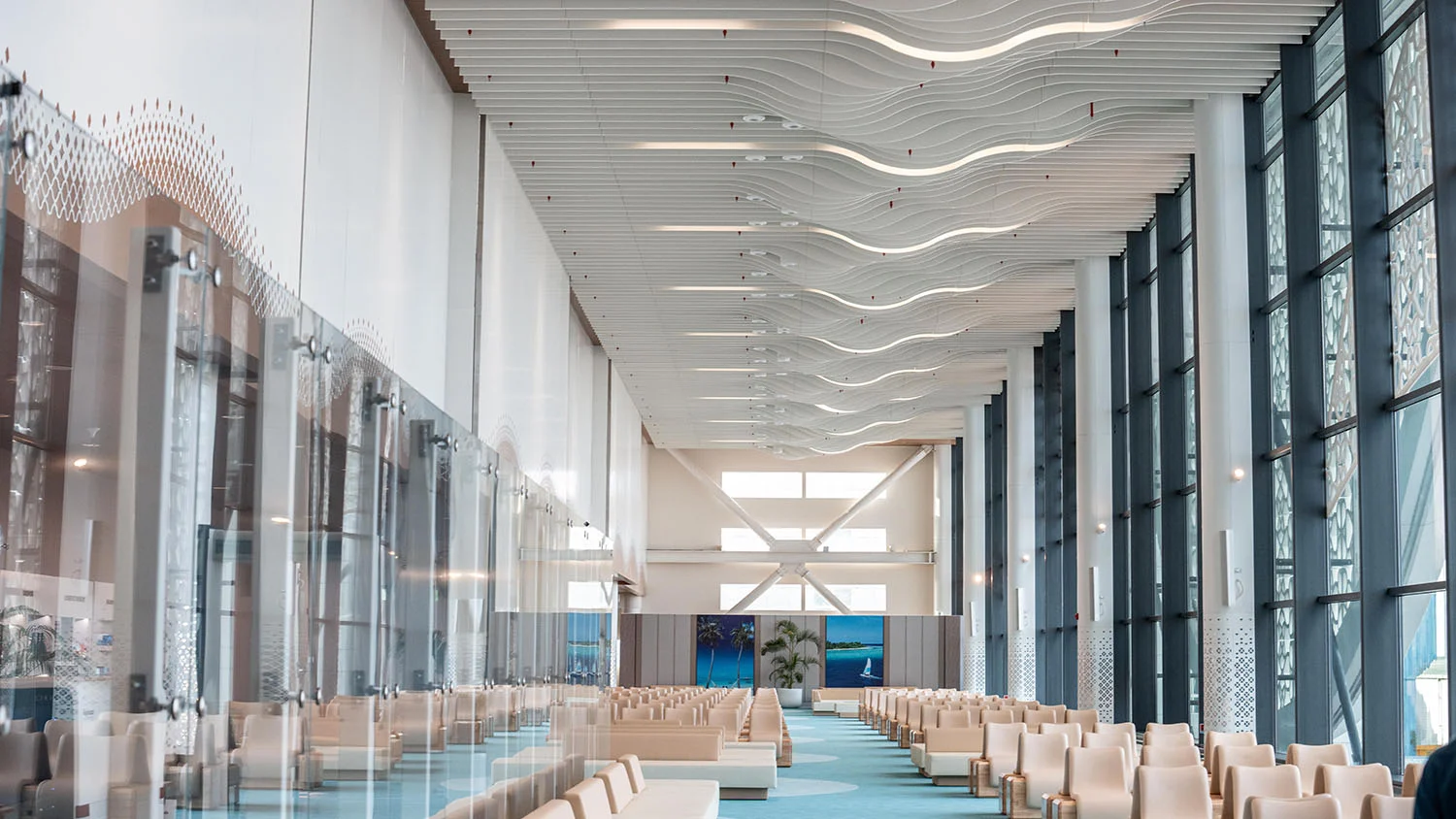
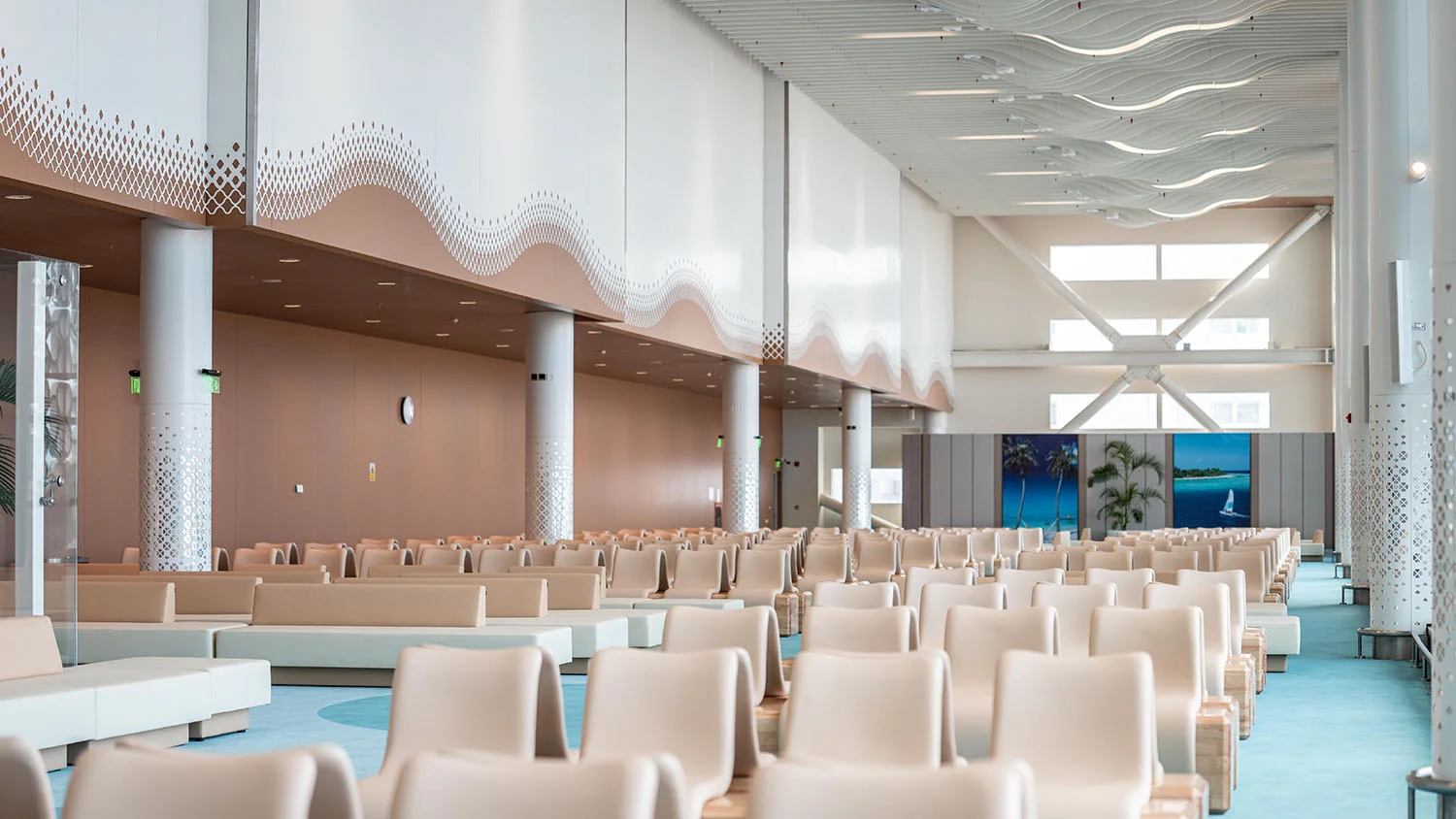
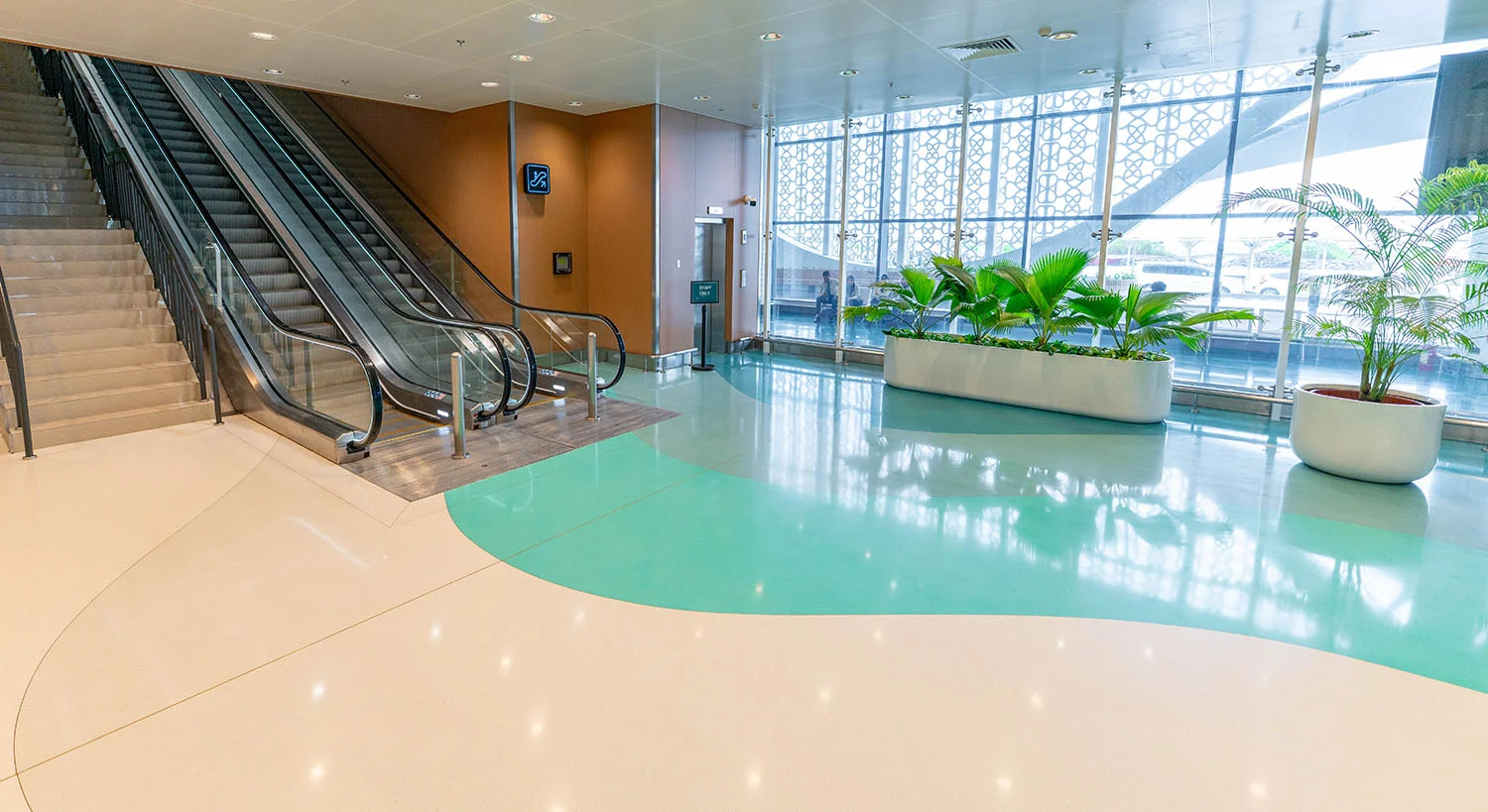
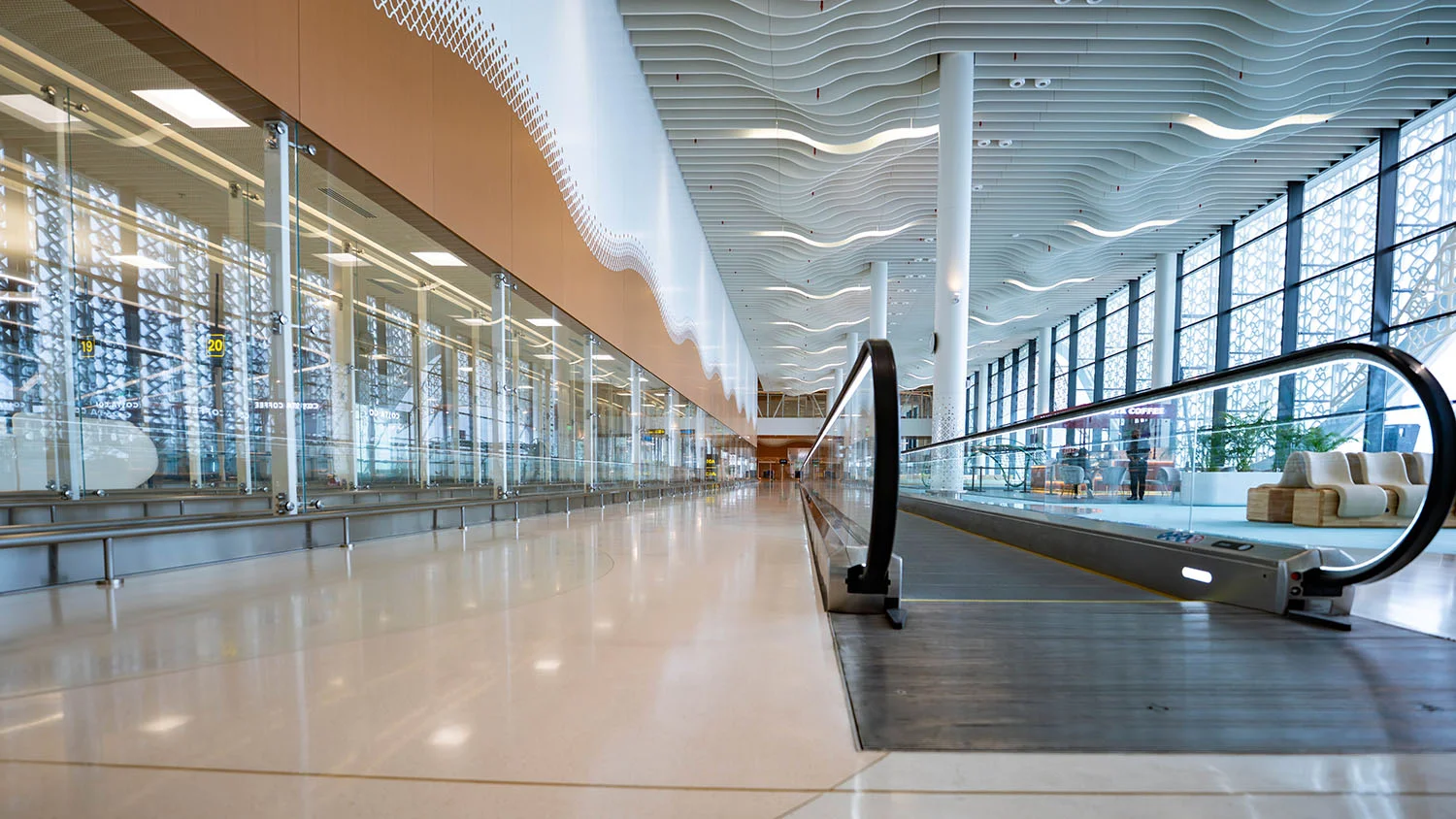
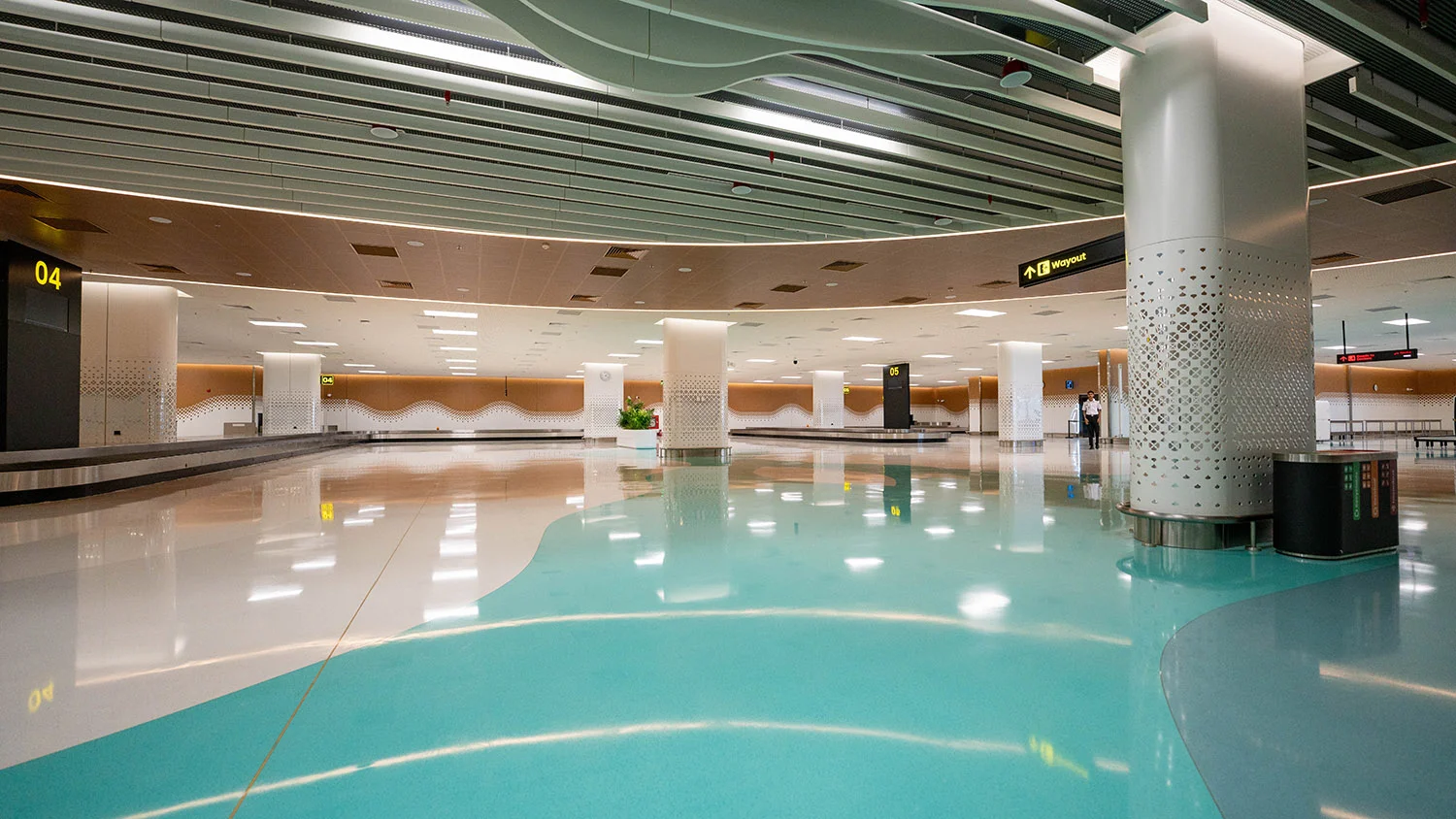
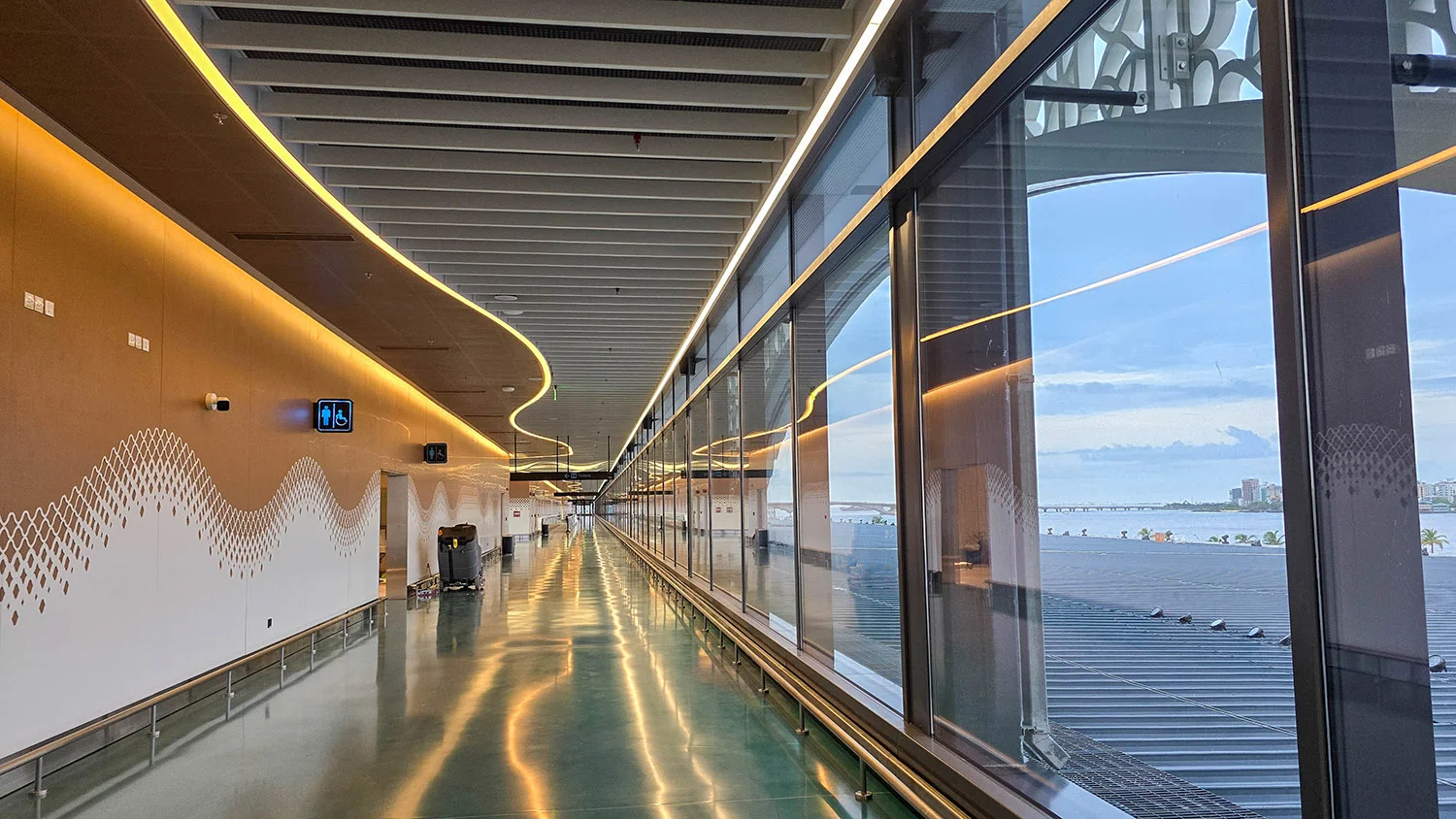
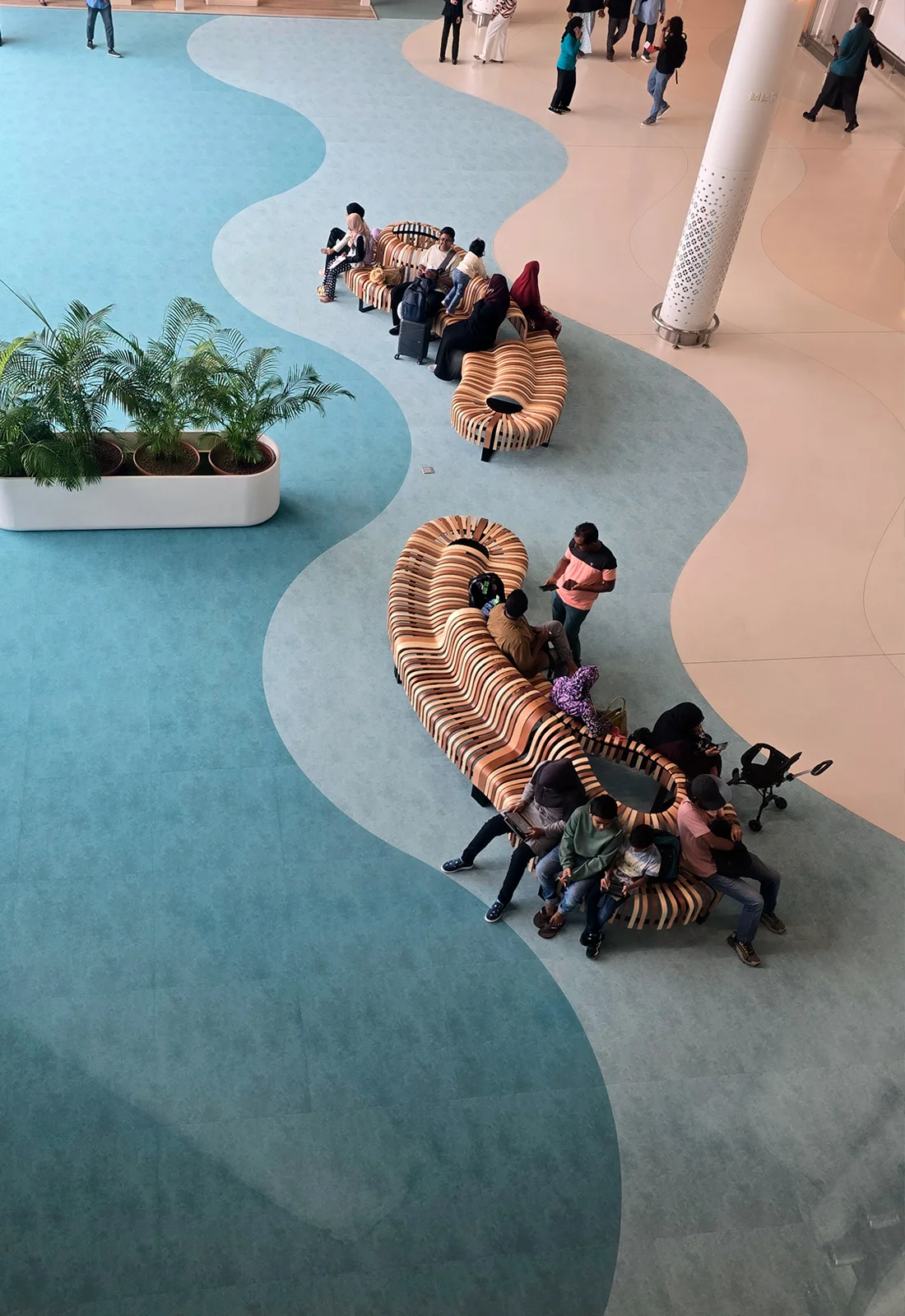
The interior concept is driven by the idea of “narrative space,” where architecture communicates the essence of the Maldives through sensory design. Ceiling geometries evoke reef formations, while terrazzo flooring incorporates coral-like textures, creating a continuous visual language inspired by the archipelago.
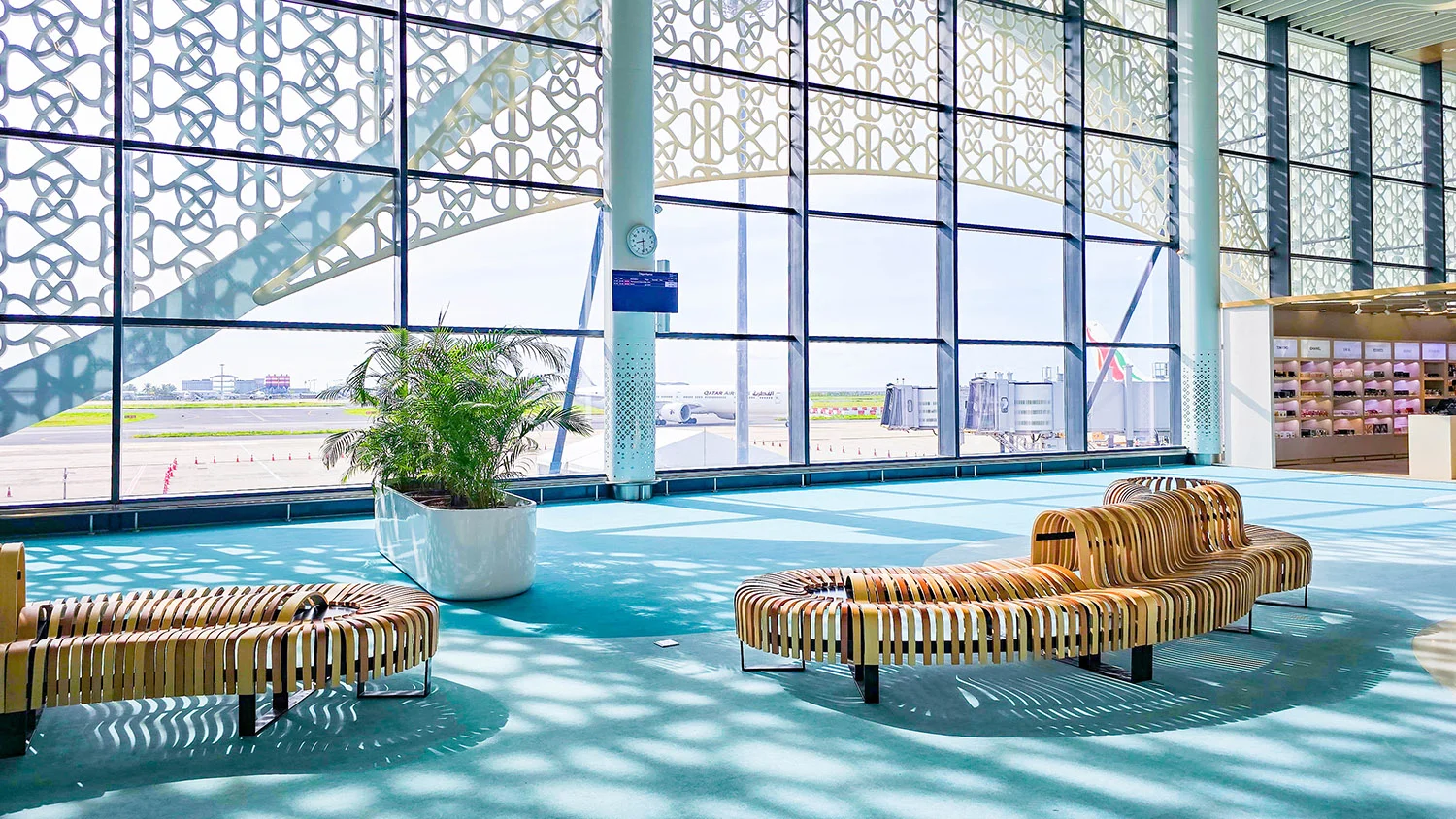
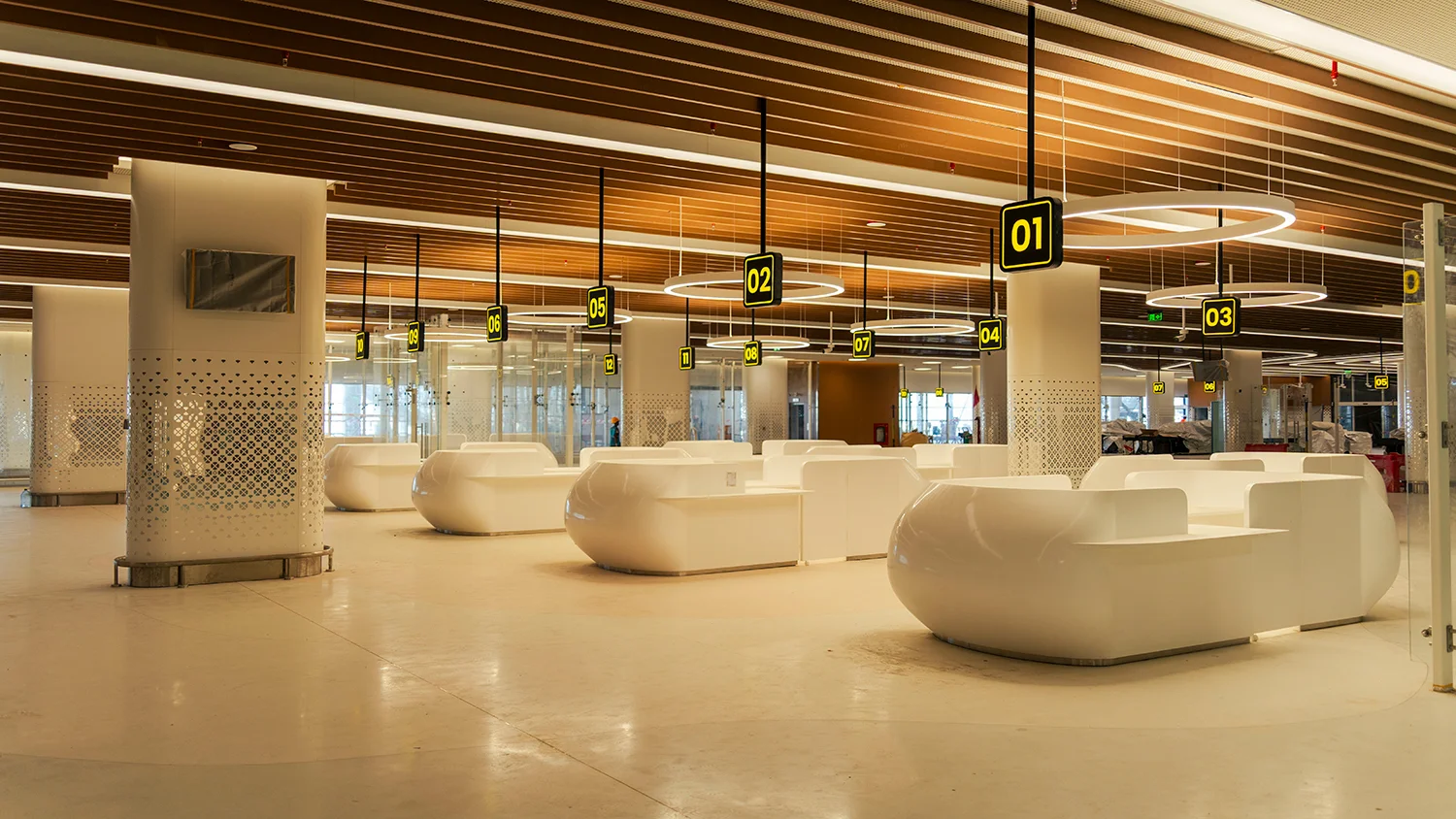
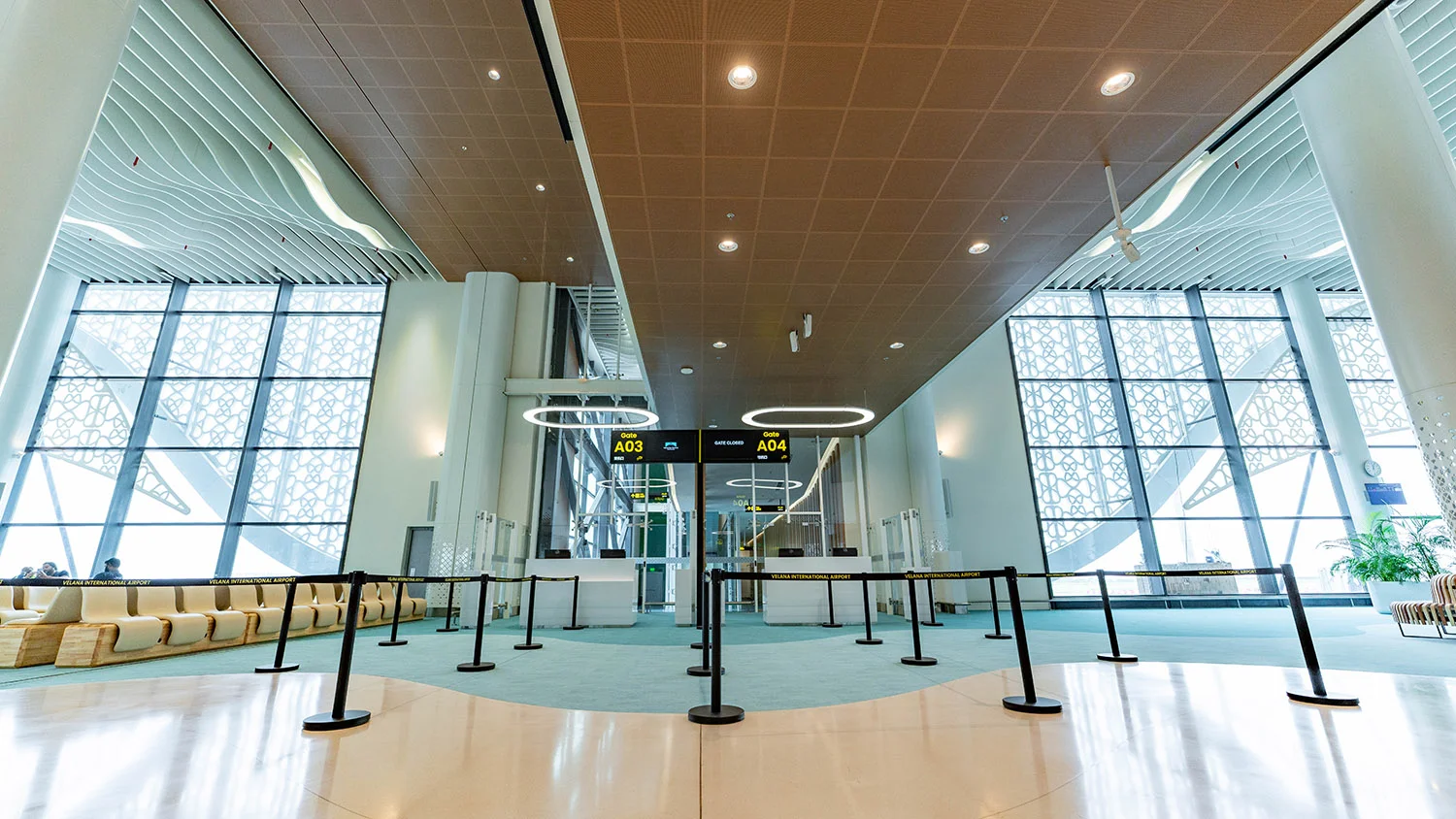
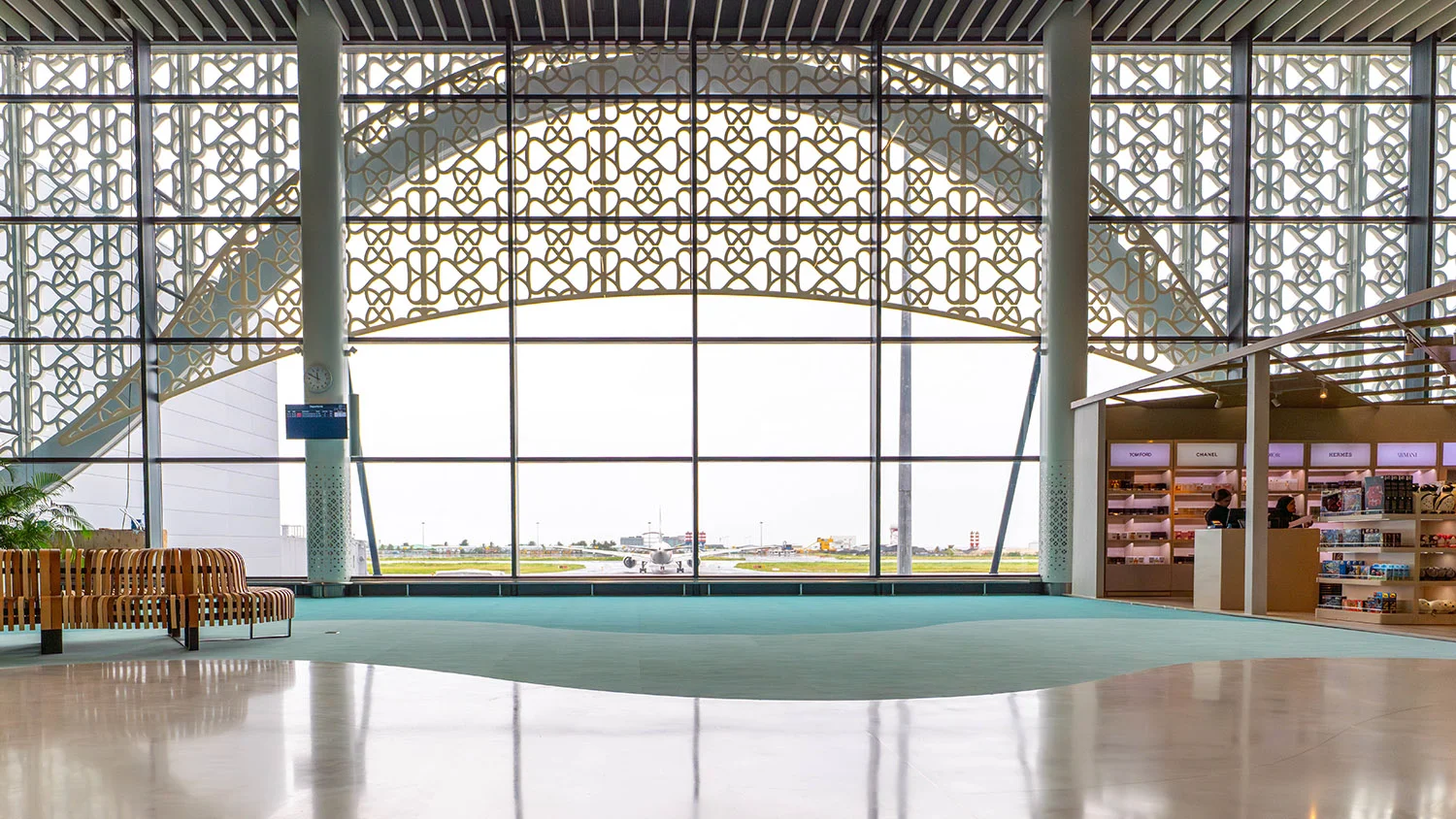
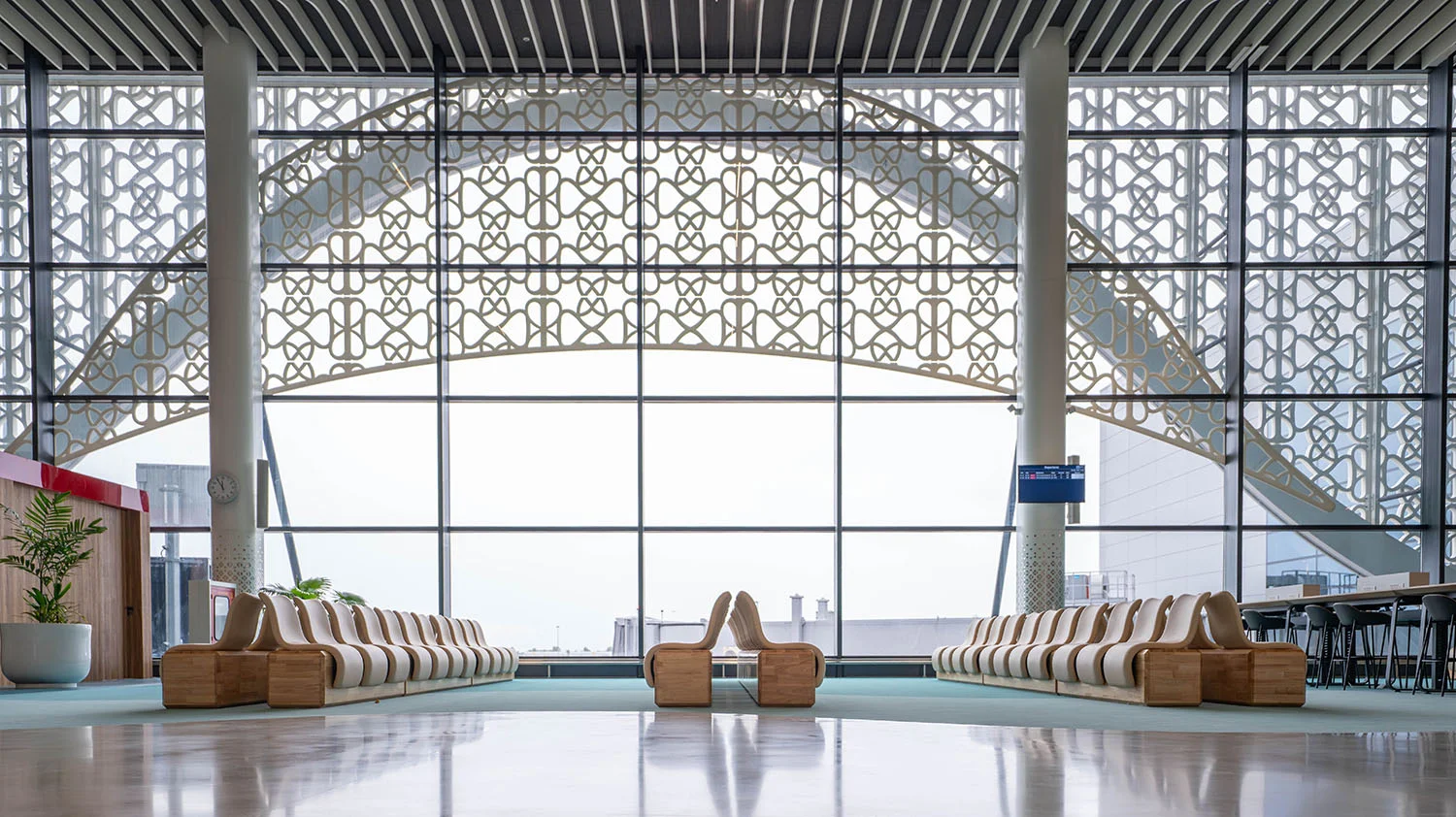
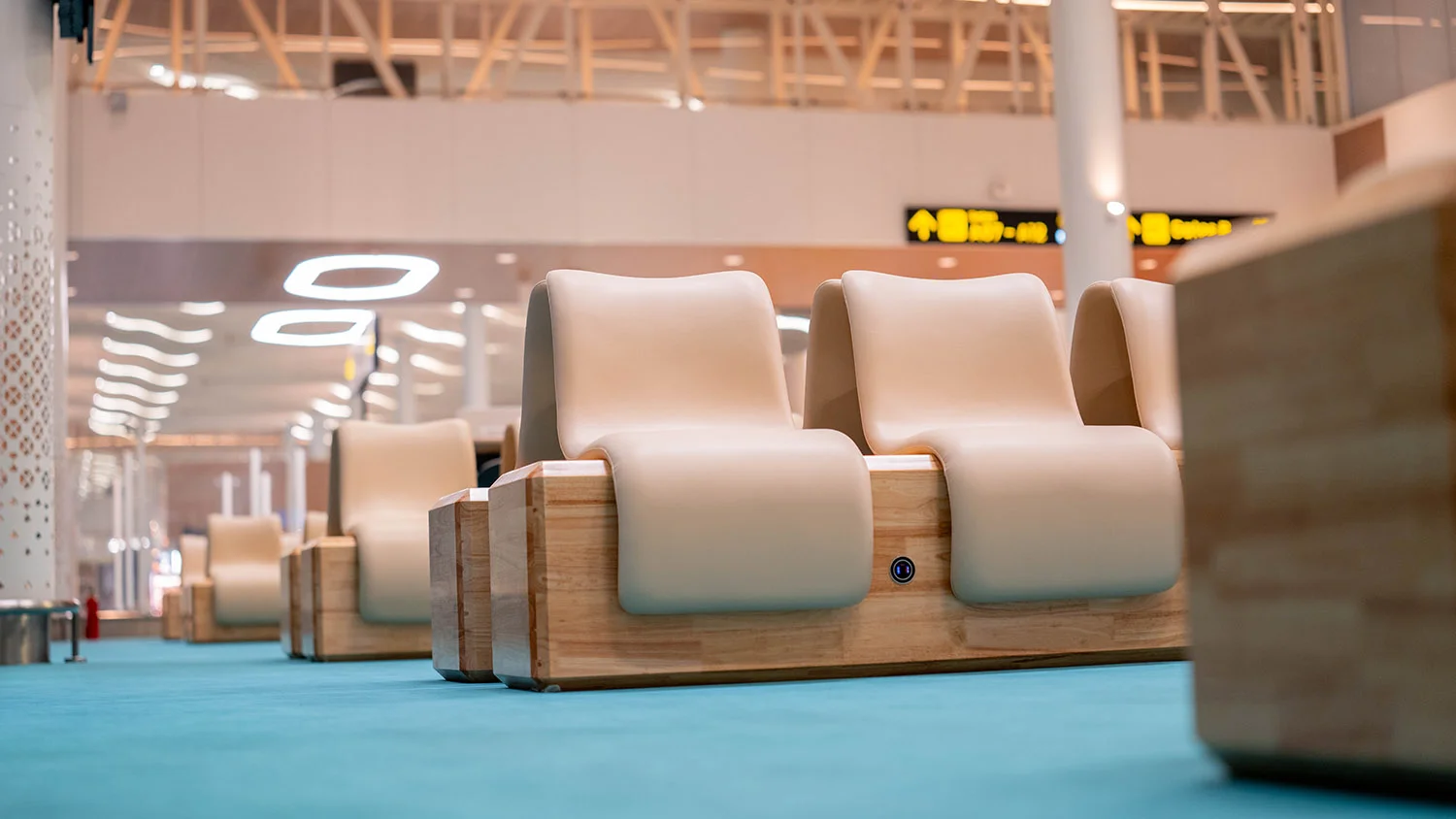
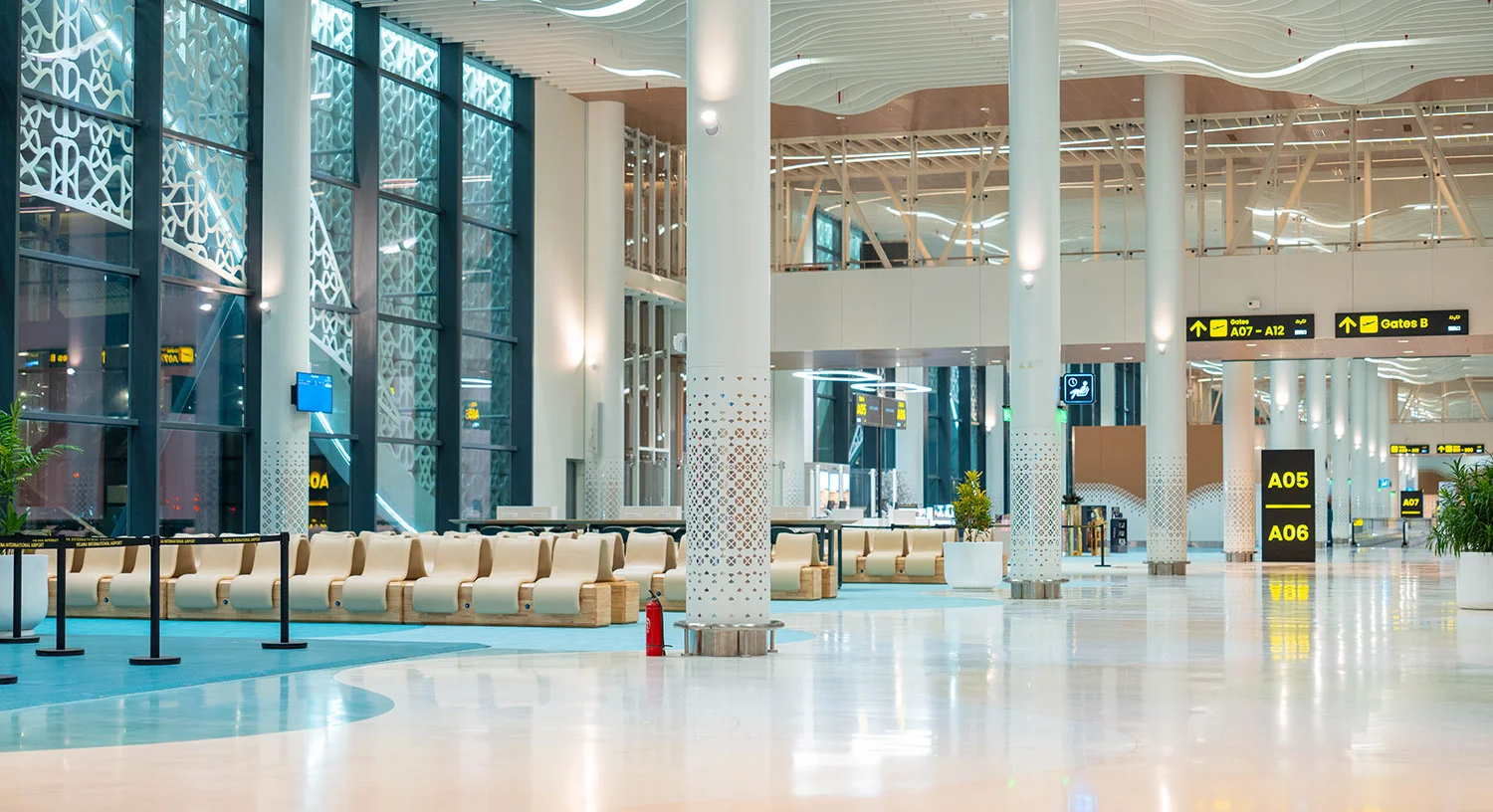
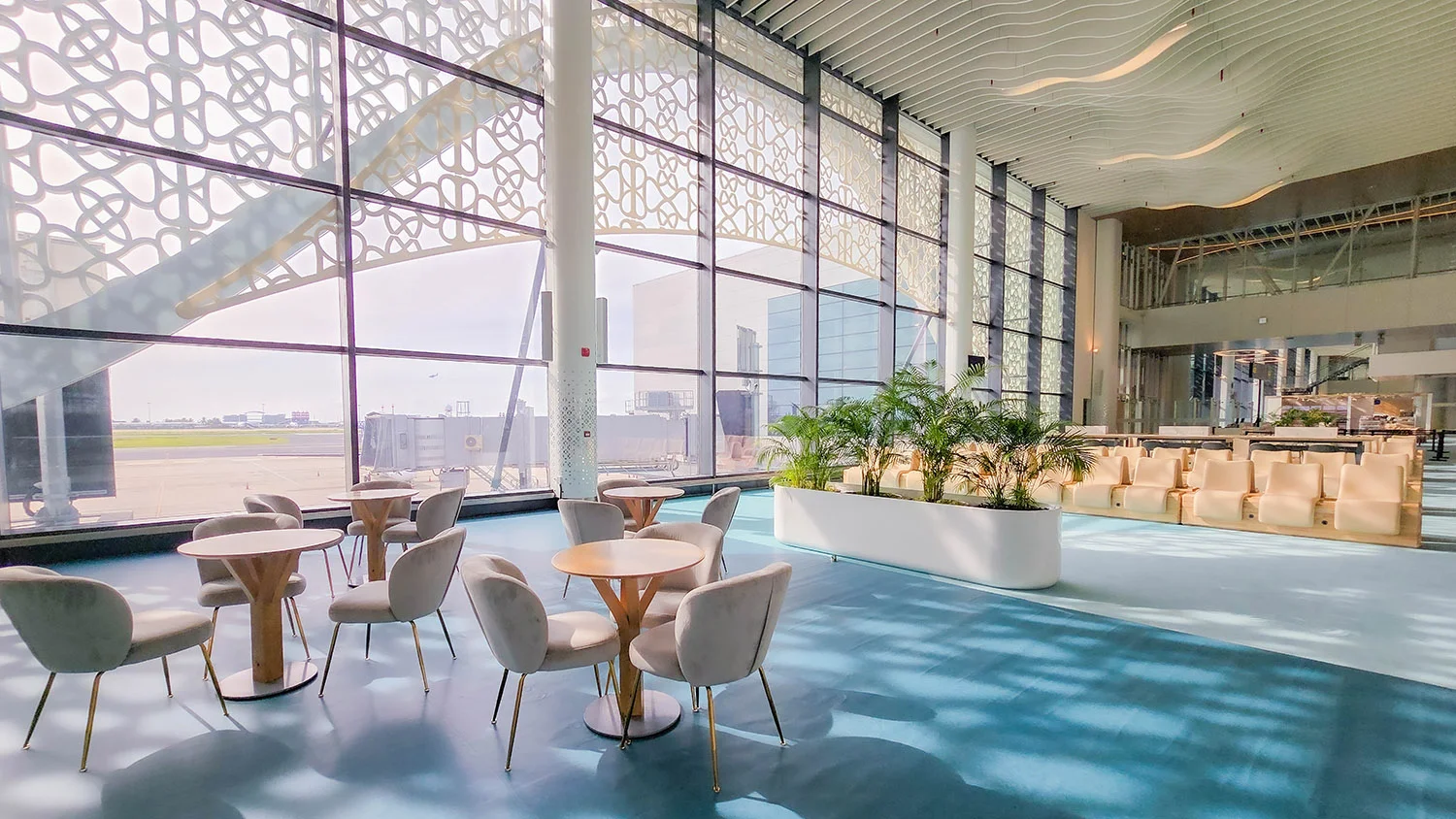
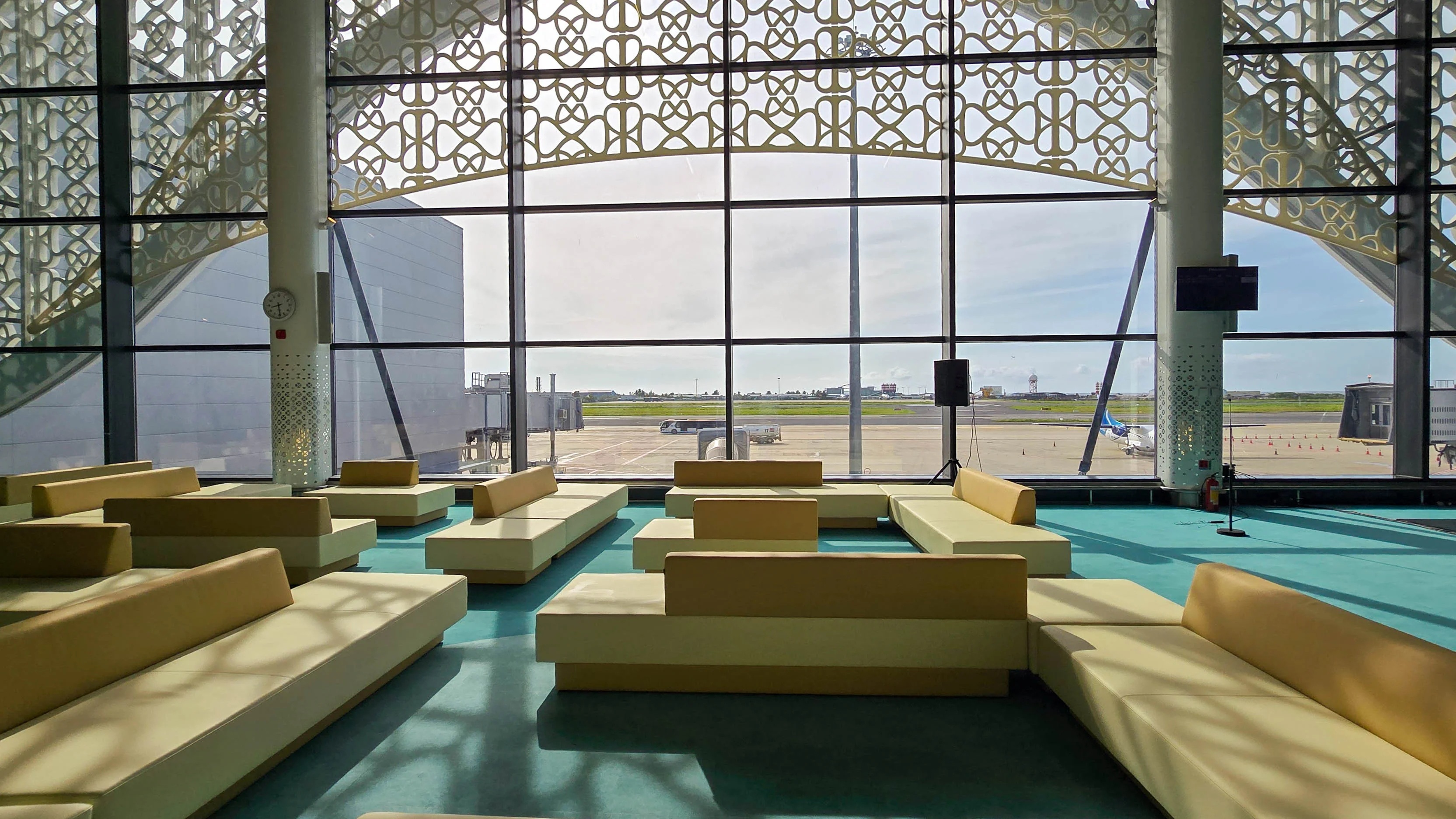
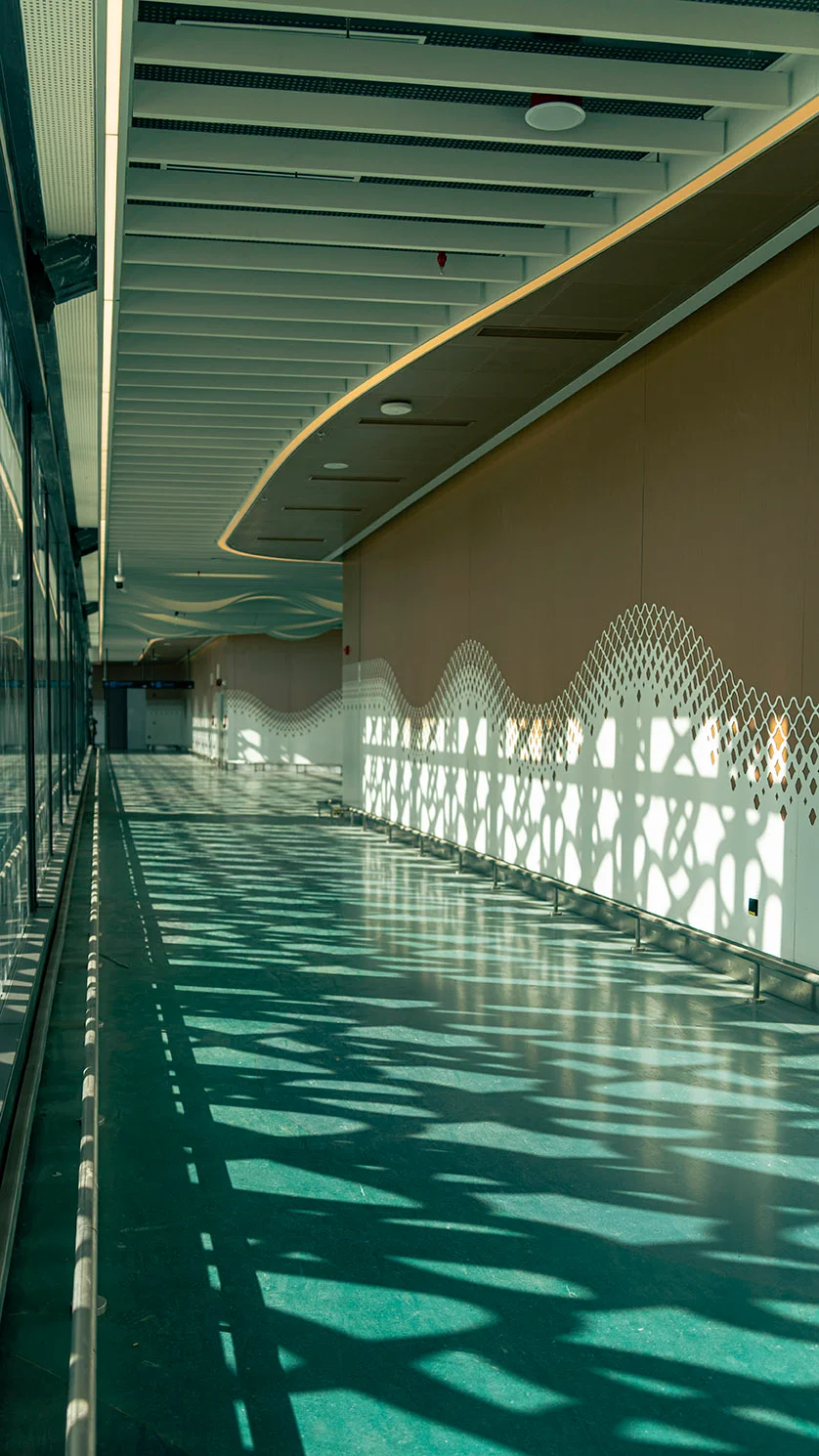
Natural light becomes a primary design material—carefully modulated to shift throughout the day, producing evolving atmospheres that mirror the tones of the sea and sky. Timber finishes introduce warmth and tactility, while filtered daylight, enhanced by the building’s second-skin façade, generates dynamic shadow patterns that animate interior spaces.
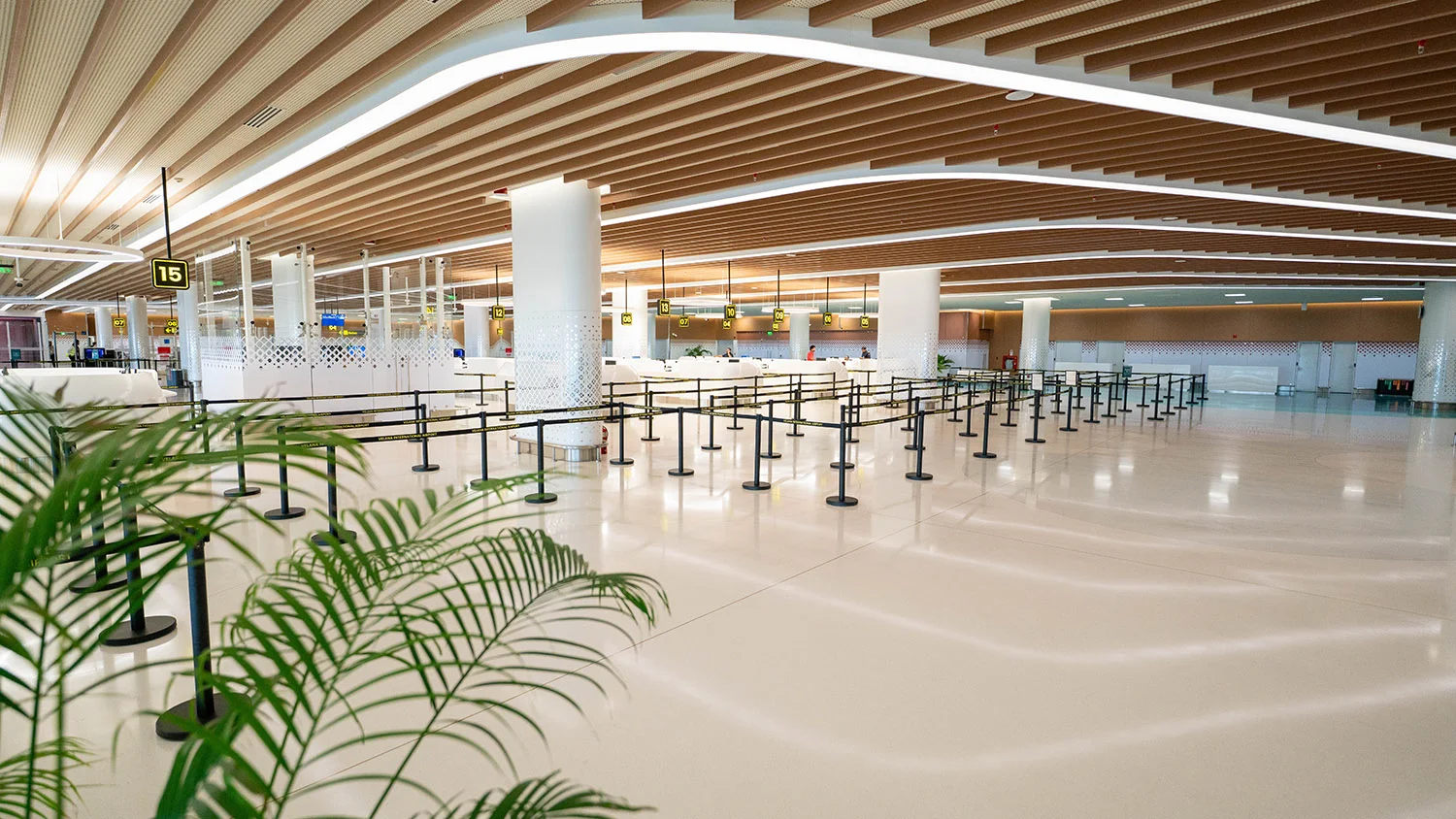
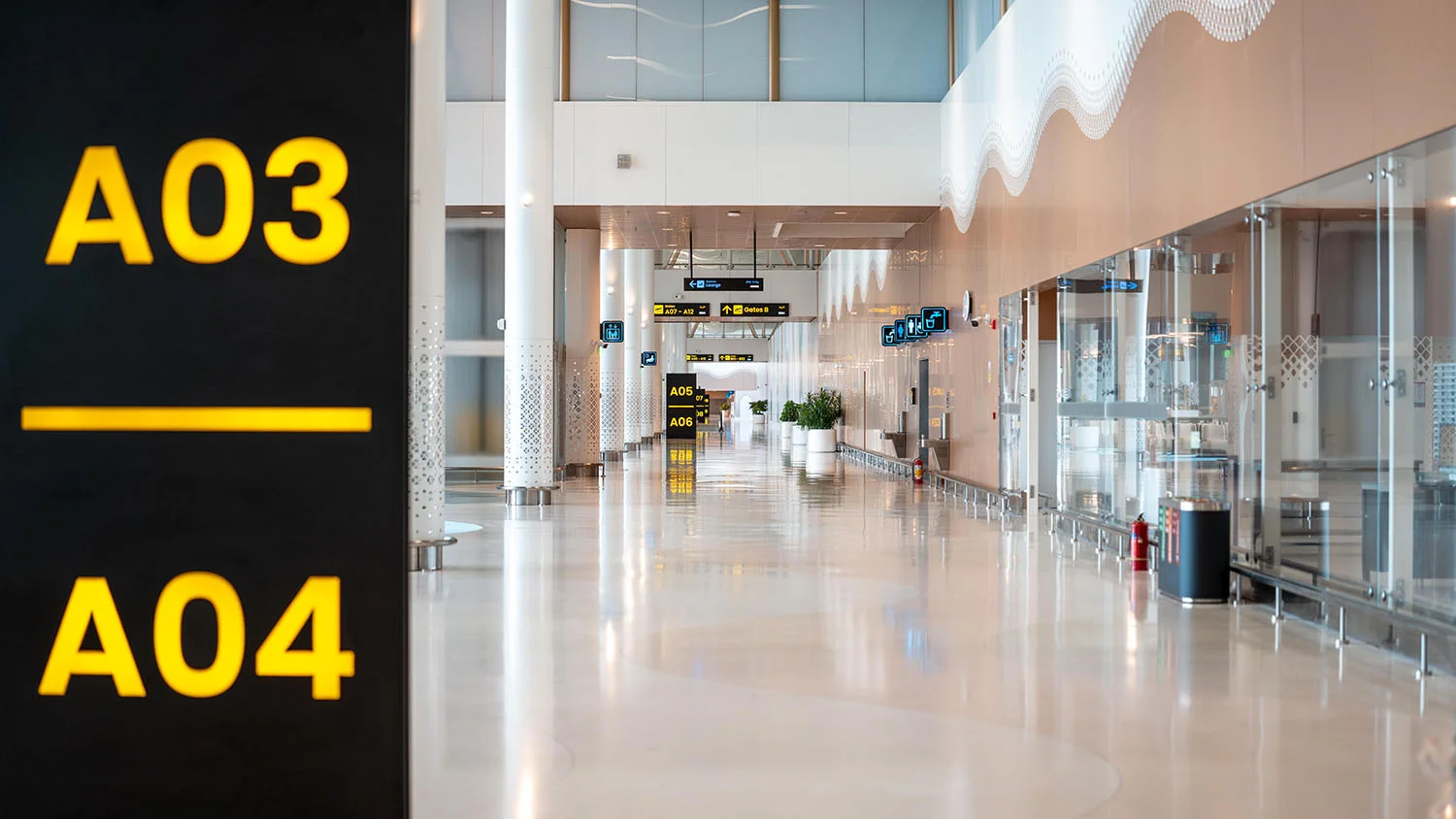
Passenger areas are conceived as fluid, intuitive environments, where spatial clarity reduces stress and enhances orientation. VIP lounges and premium zones elevate the experience through locally crafted materials, woven textures, curated artwork, and integrated greenery—creating intimate, human-scaled environments within a large infrastructure.
Environmental performance is seamlessly embedded into the interior strategy. Passive cooling, natural ventilation, and reduced reliance on mechanical systems are supported by material selection and spatial configuration, ensuring comfort while minimizing energy demand. BIM-driven simulations inform light behavior, airflow, and thermal performance, aligning experiential quality with technical precision.
Photos by: MACL and Gaoyu Zhao