.svg)

A multimodal gateway where contemporary mobility meets Peru’s cultural and urban heritage.
Value Delivered
Project Overview
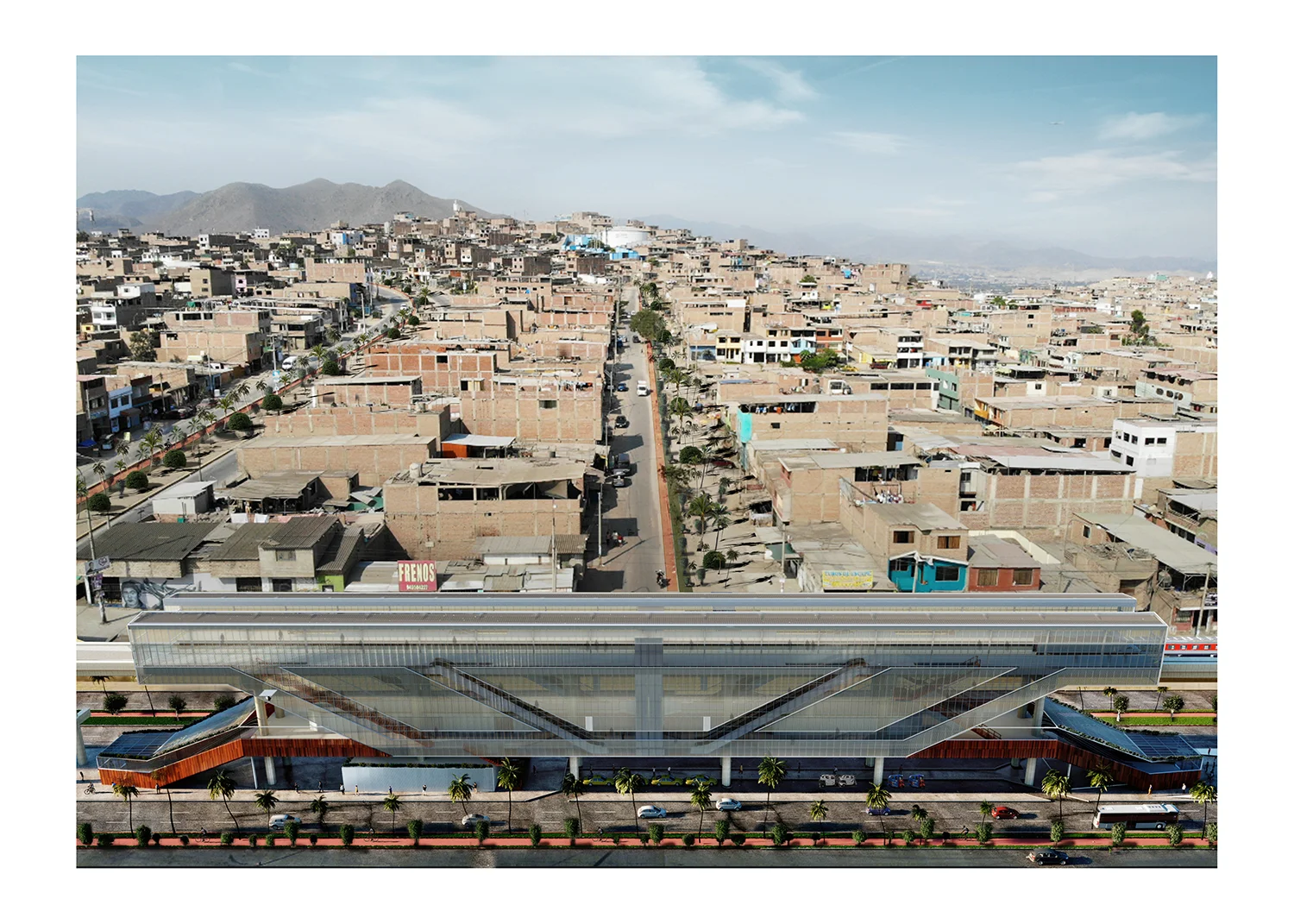
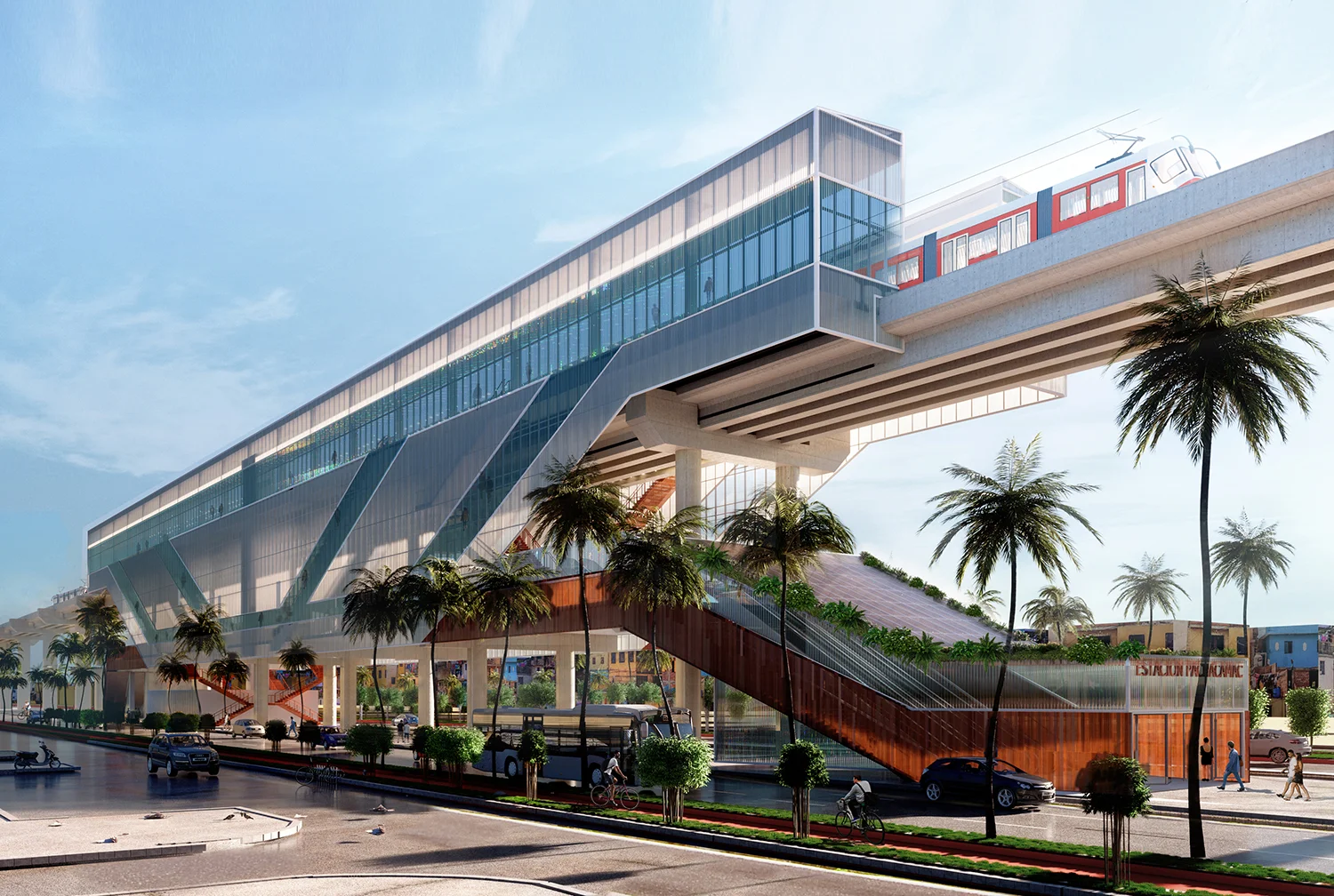
In 2018, 1PAX was commissioned by ATU to develop the functional program and lead the architectural design of the Pachacámac Multimodal Station as part of the extension of Lima Metro Line 1. Conceived as a reference model for future metro stations in Peru, the project combines transport infrastructure with urban and cultural ambitions, serving a capacity of up to 5,000 passengers per hour across a 3,900 m² facility.
Key Challenge
The primary challenge was to design an intermodal station capable of efficiently managing complex mobility flows while embedding the project within a highly sensitive cultural and urban context. The station needed to respond to Peru’s specific mobility patterns, integrate multiple transport modes, and act as a catalyst for public life—while respecting its proximity to the Pachacámac Archaeological Sanctuary and major cultural institutions.
Our Approach
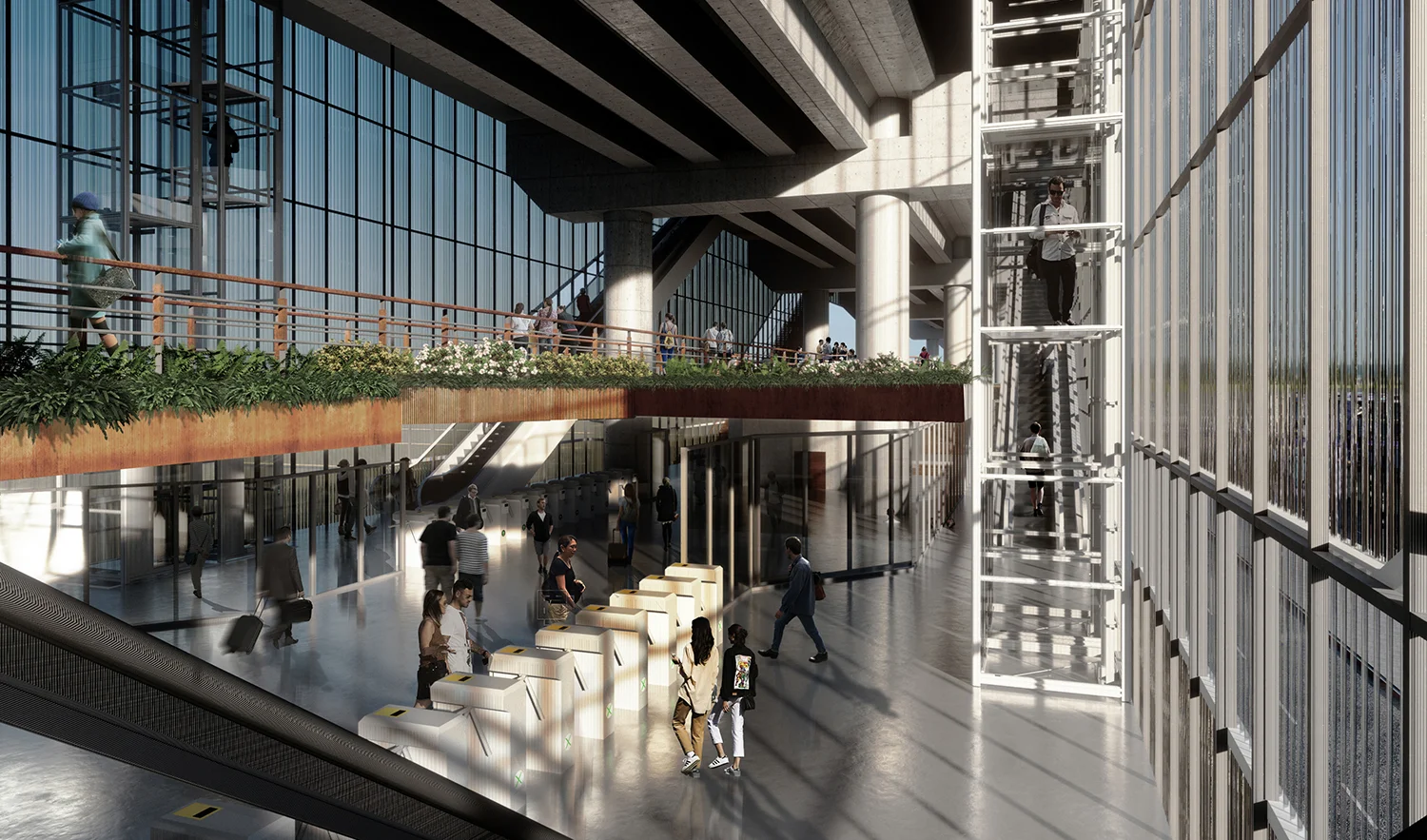
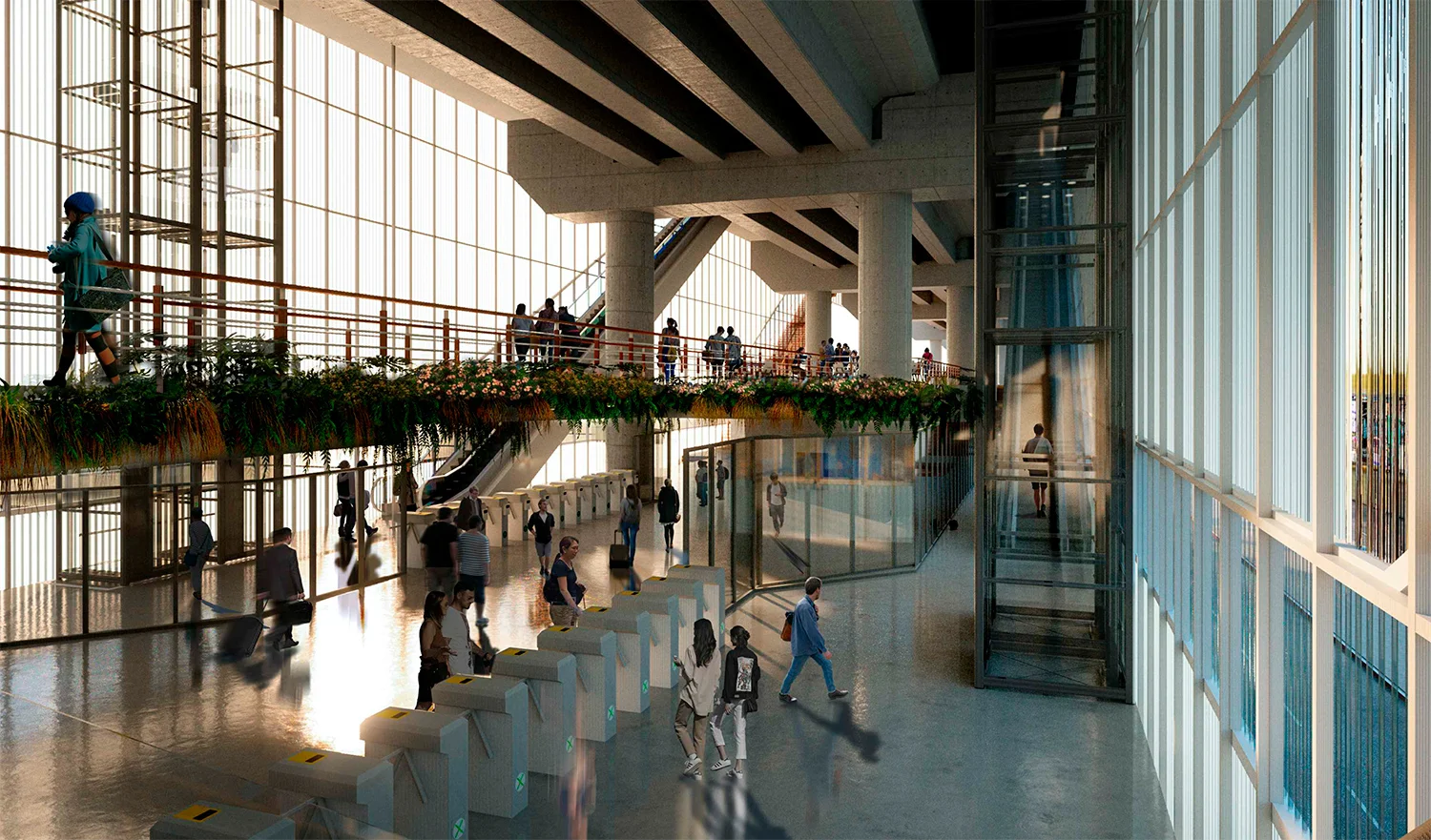
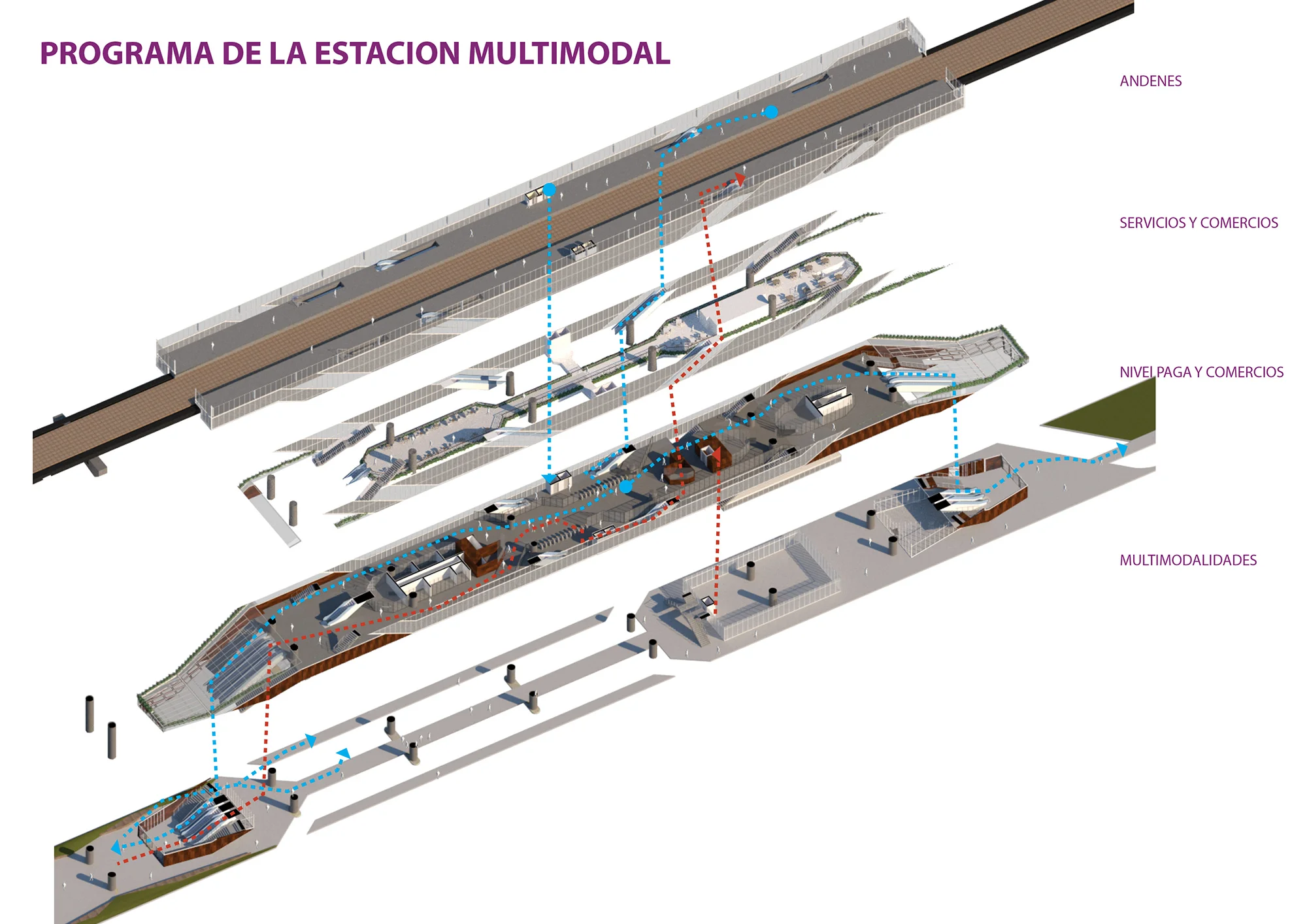
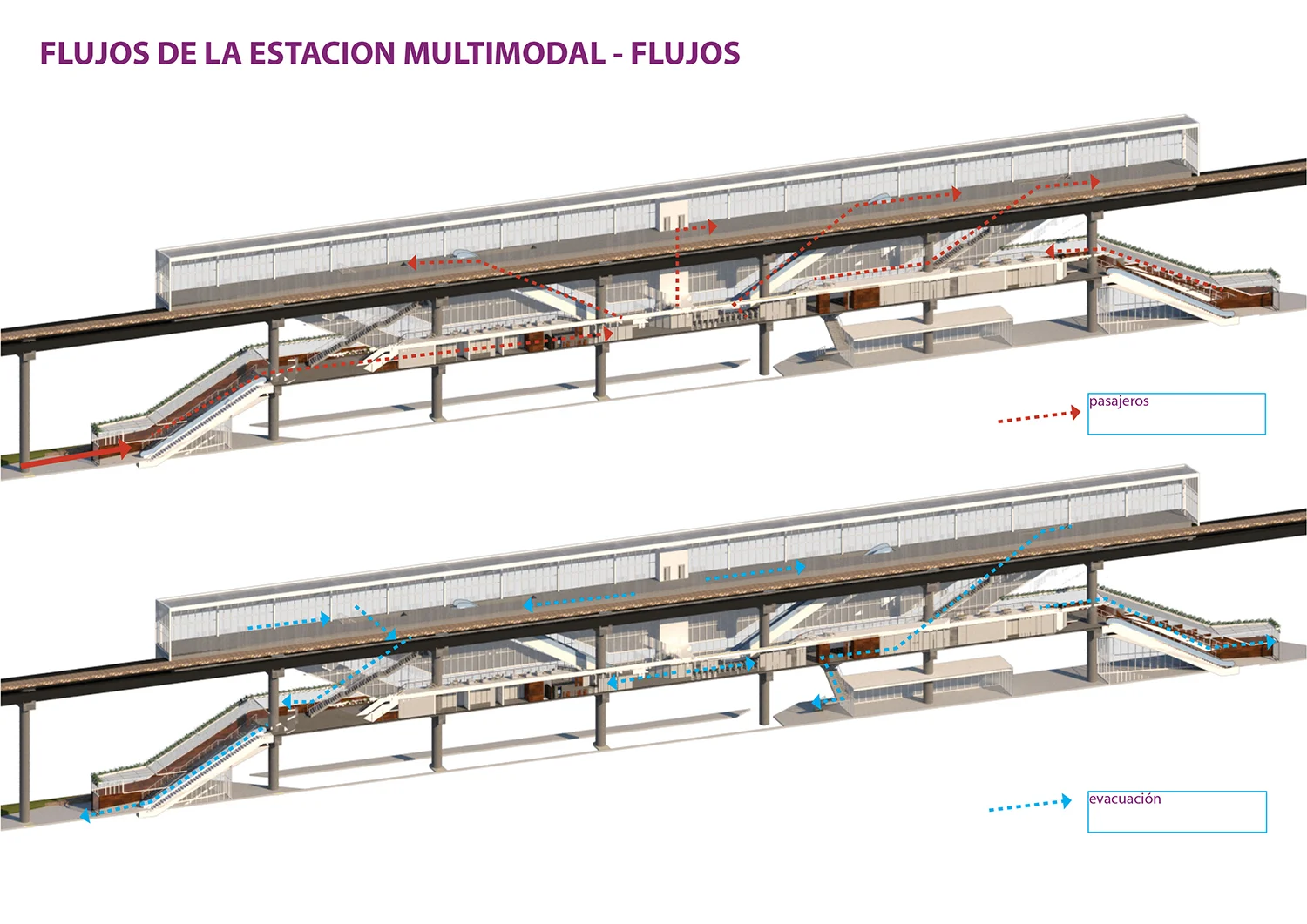
1PAX developed a comprehensive functional program structured around intermodality, clarity of circulation, and urban integration. The station architecture is conceived as an elevated, legible system that organizes connections between metro services, buses, taxis, and pedestrian networks.
Beyond transport efficiency, the design incorporates principles of urban planning to create a vibrant public space that encourages social interaction, new activities, and recreational uses. The architectural language bridges modern infrastructure with cultural continuity, acknowledging the historical and symbolic significance of the Pachacámac site and its surrounding cultural facilities, including the Site Museum and the National Museum of Peru (MUNA).

.svg)