.svg)

Designing a world-class island gateway that redefines arrival through seamless connectivity, clarity, and place-making.
Value Delivered
Project Overview
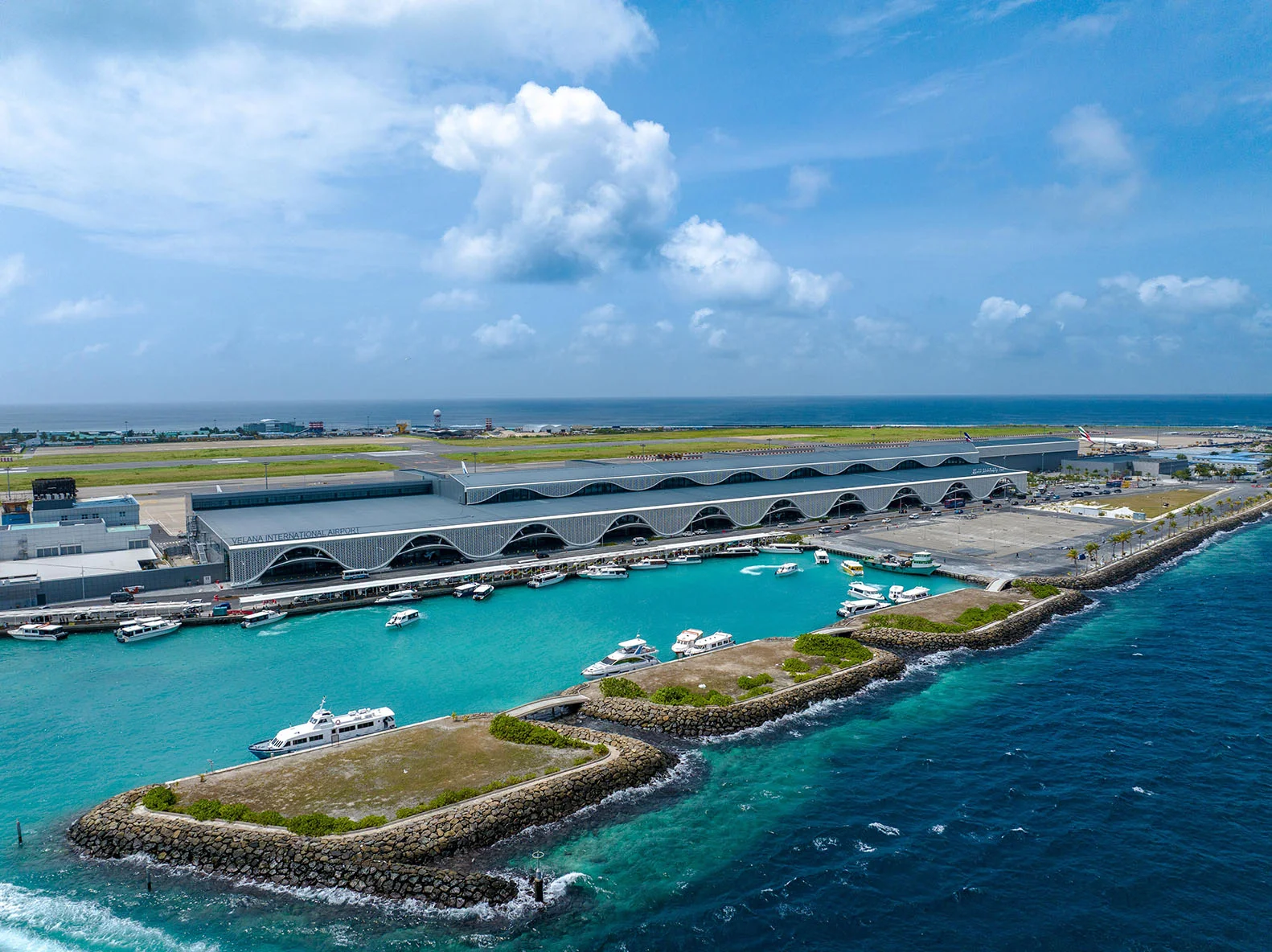
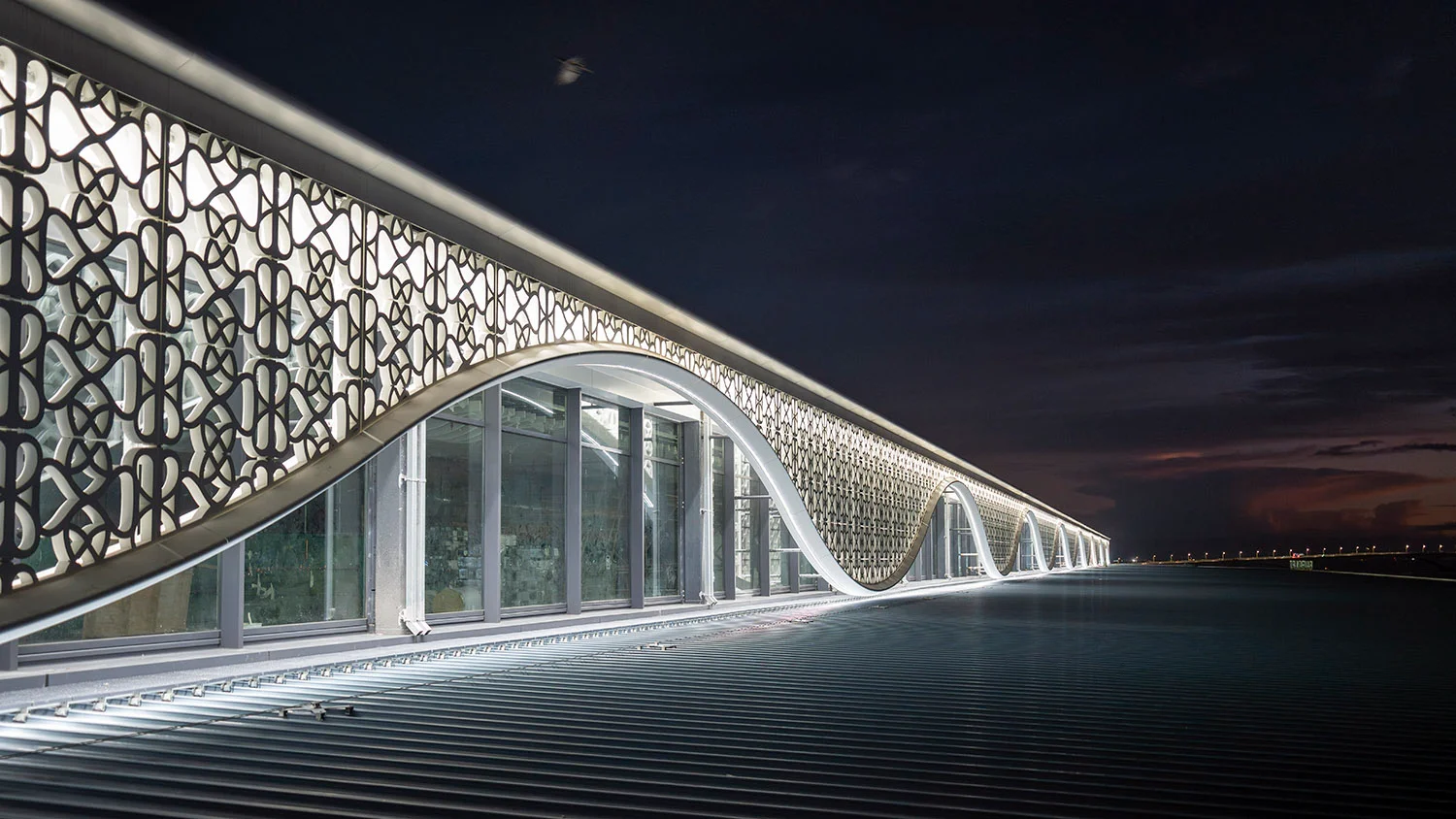
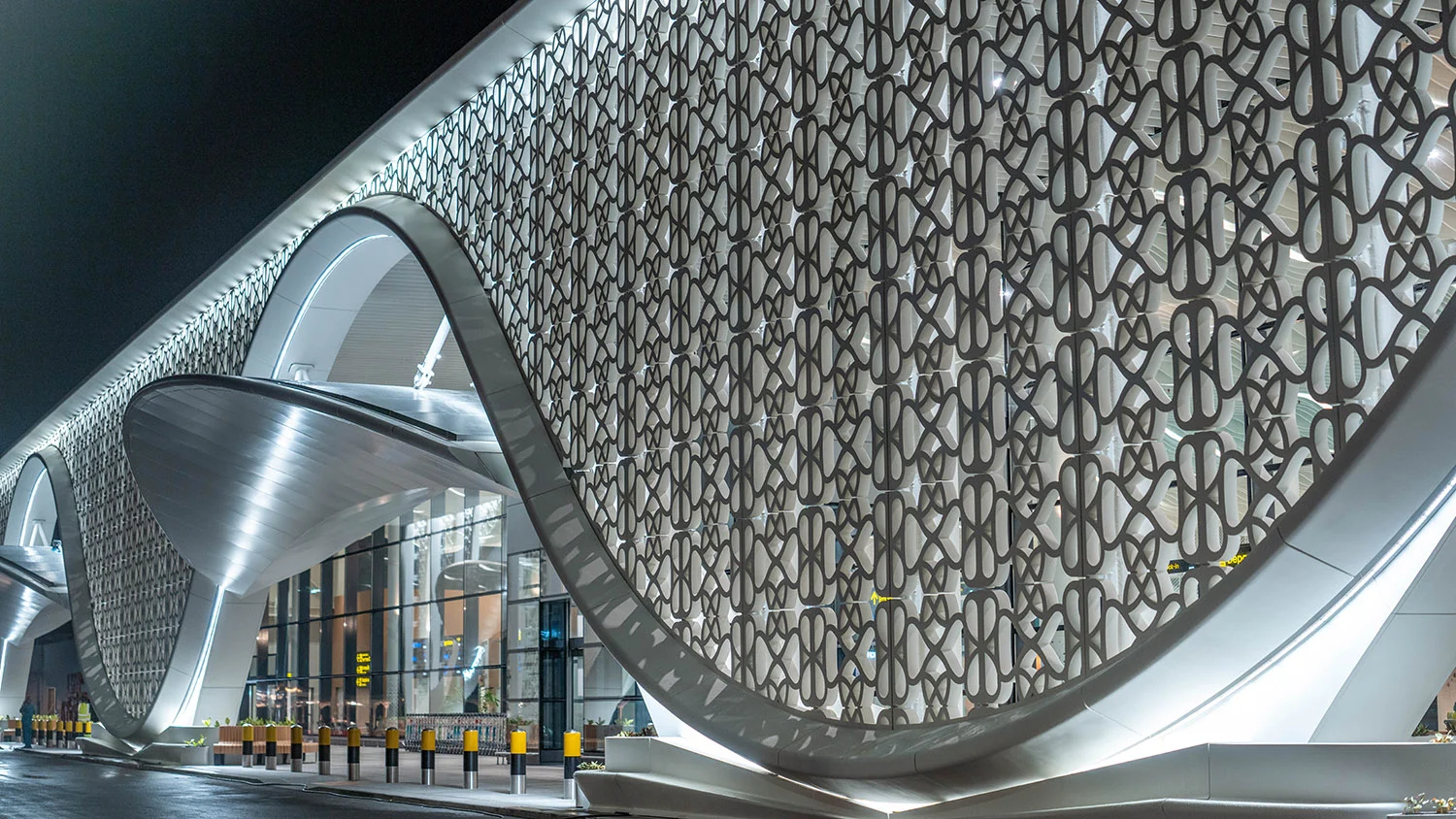
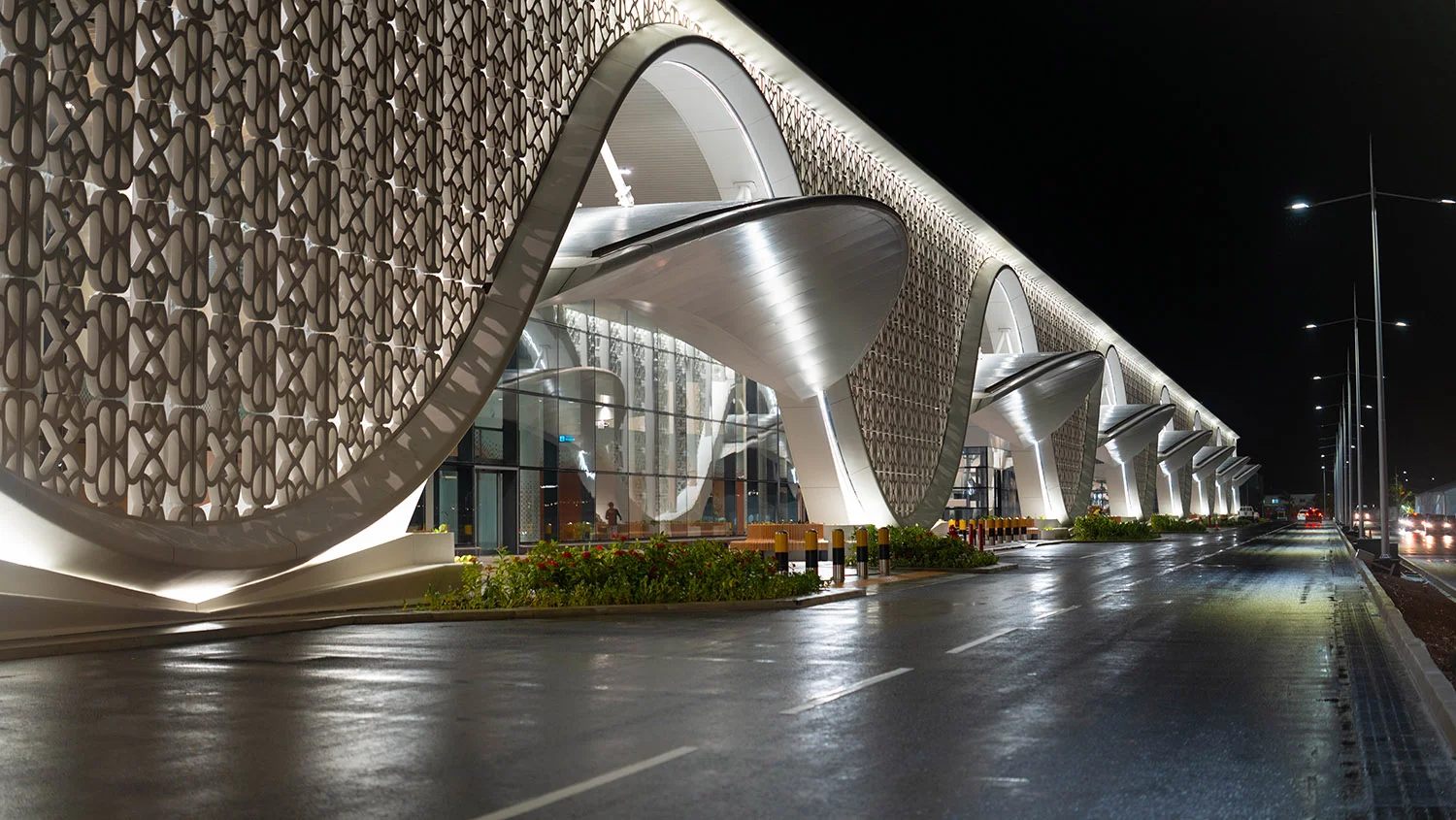
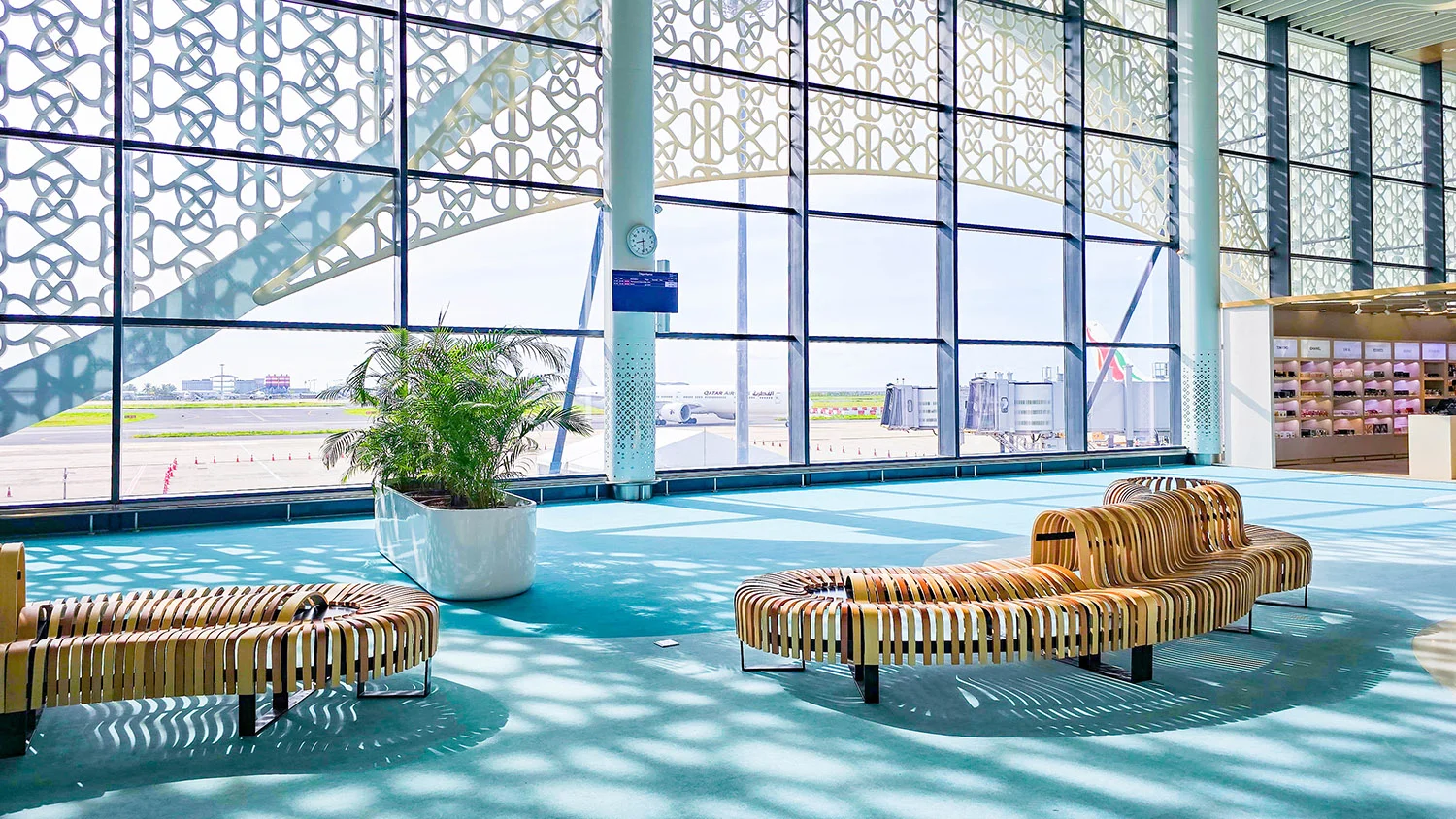
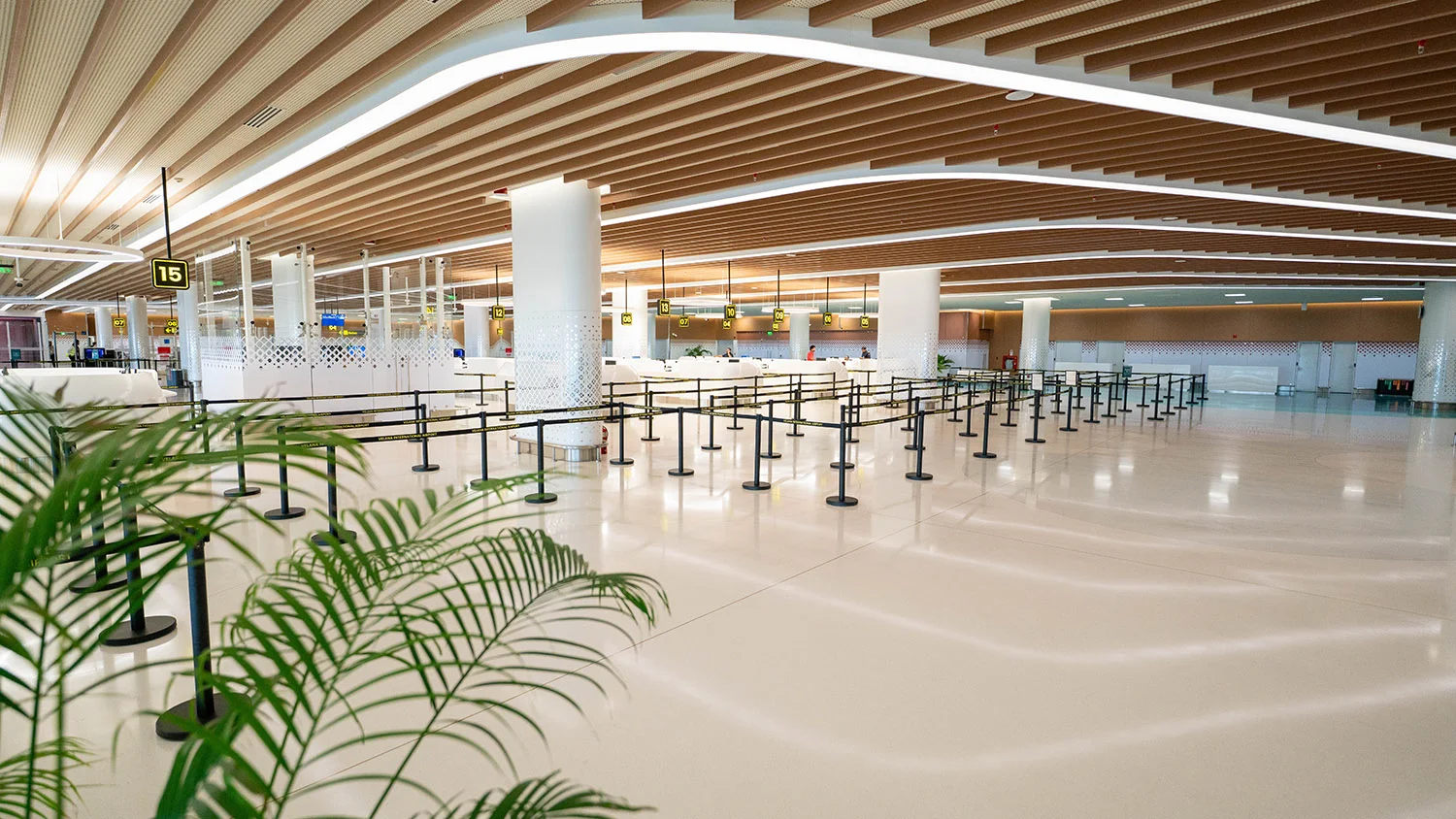
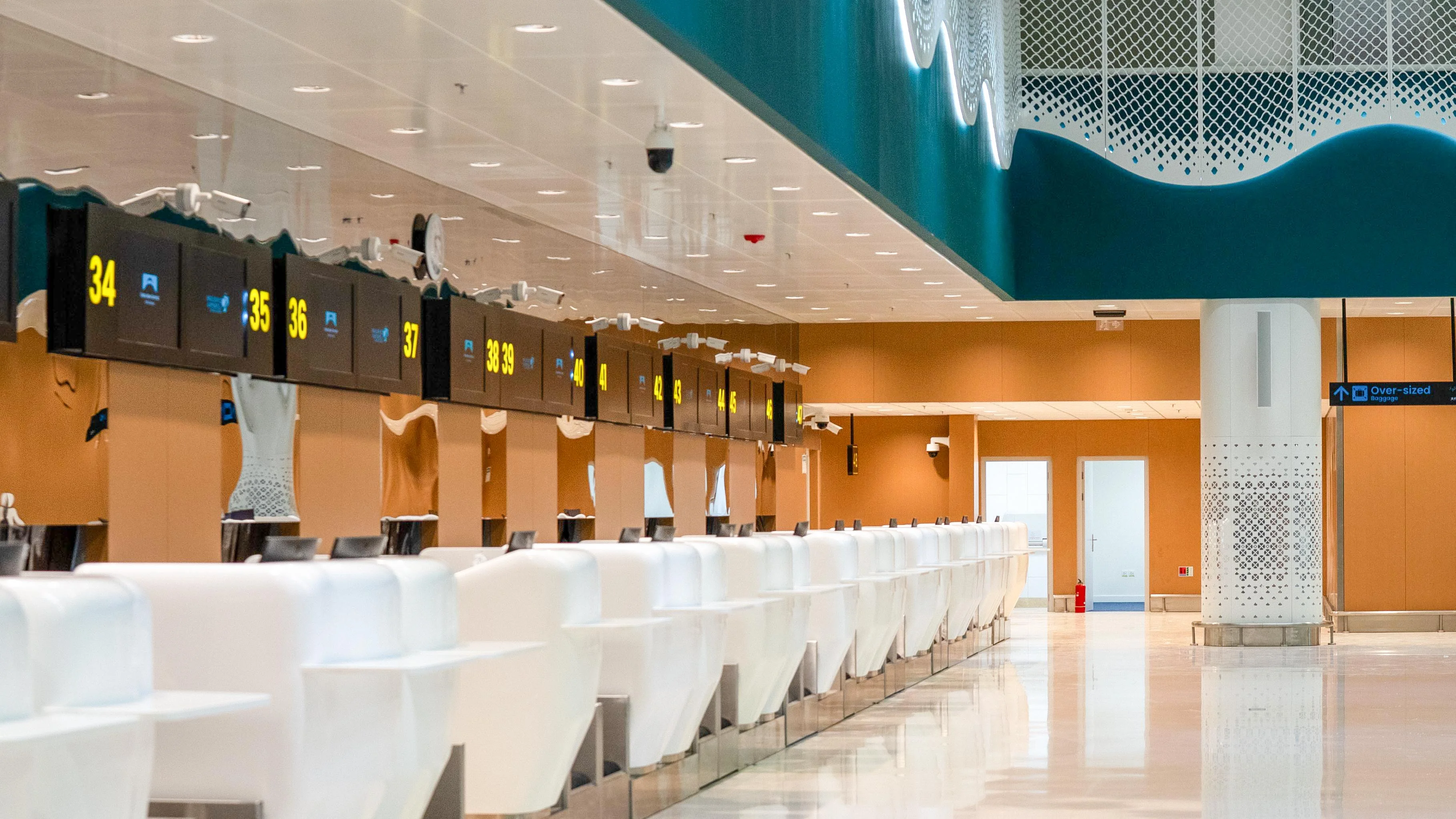
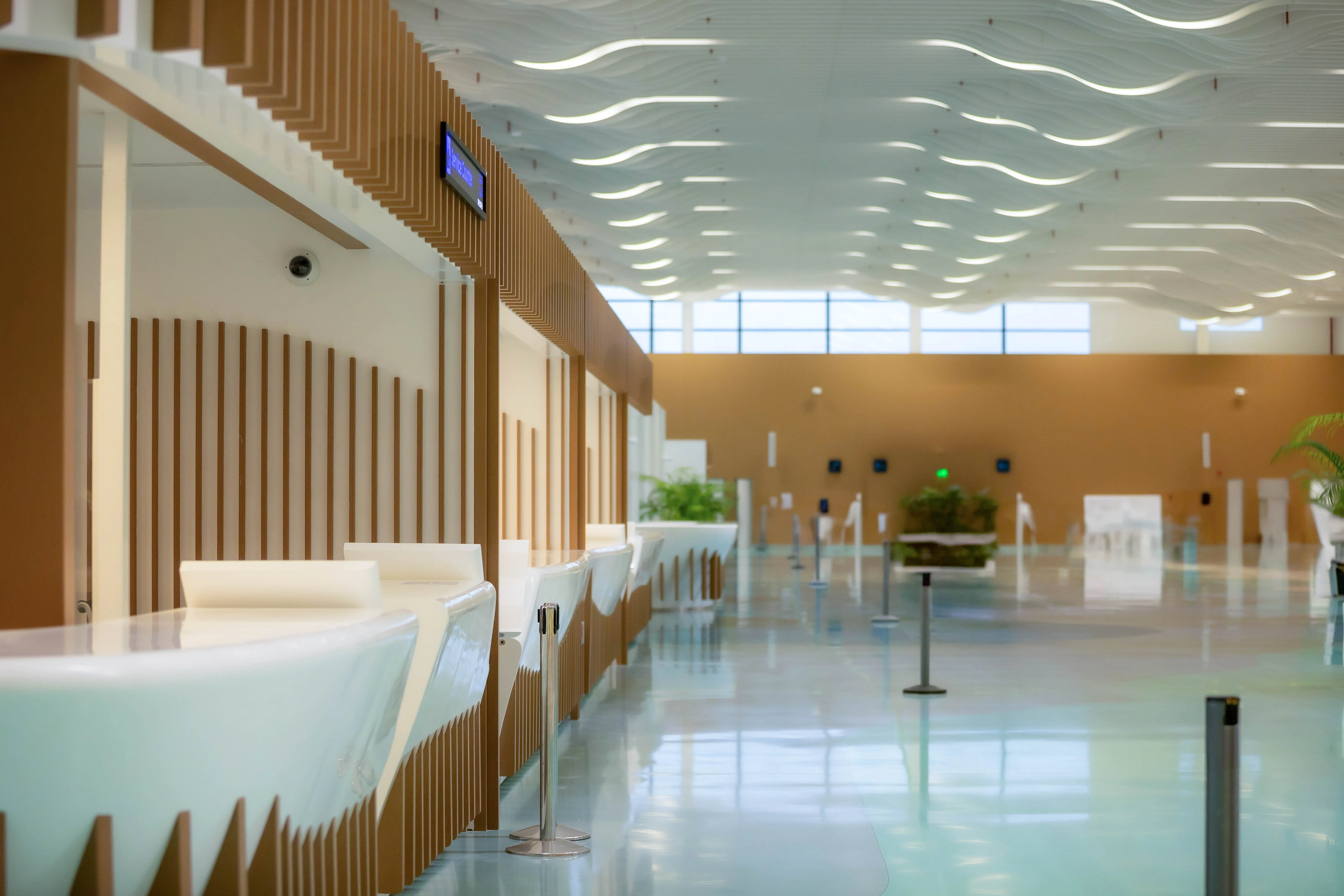
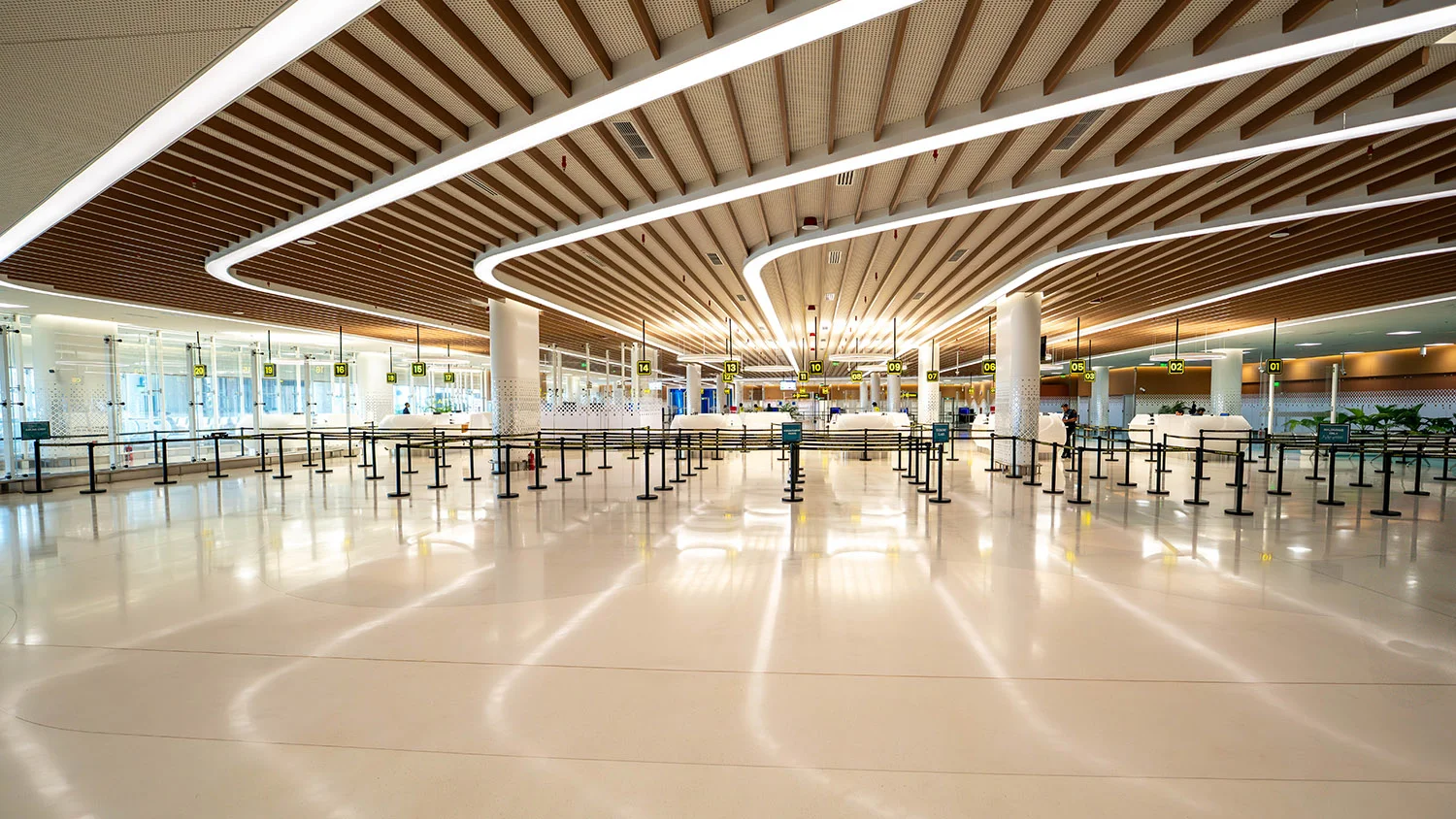
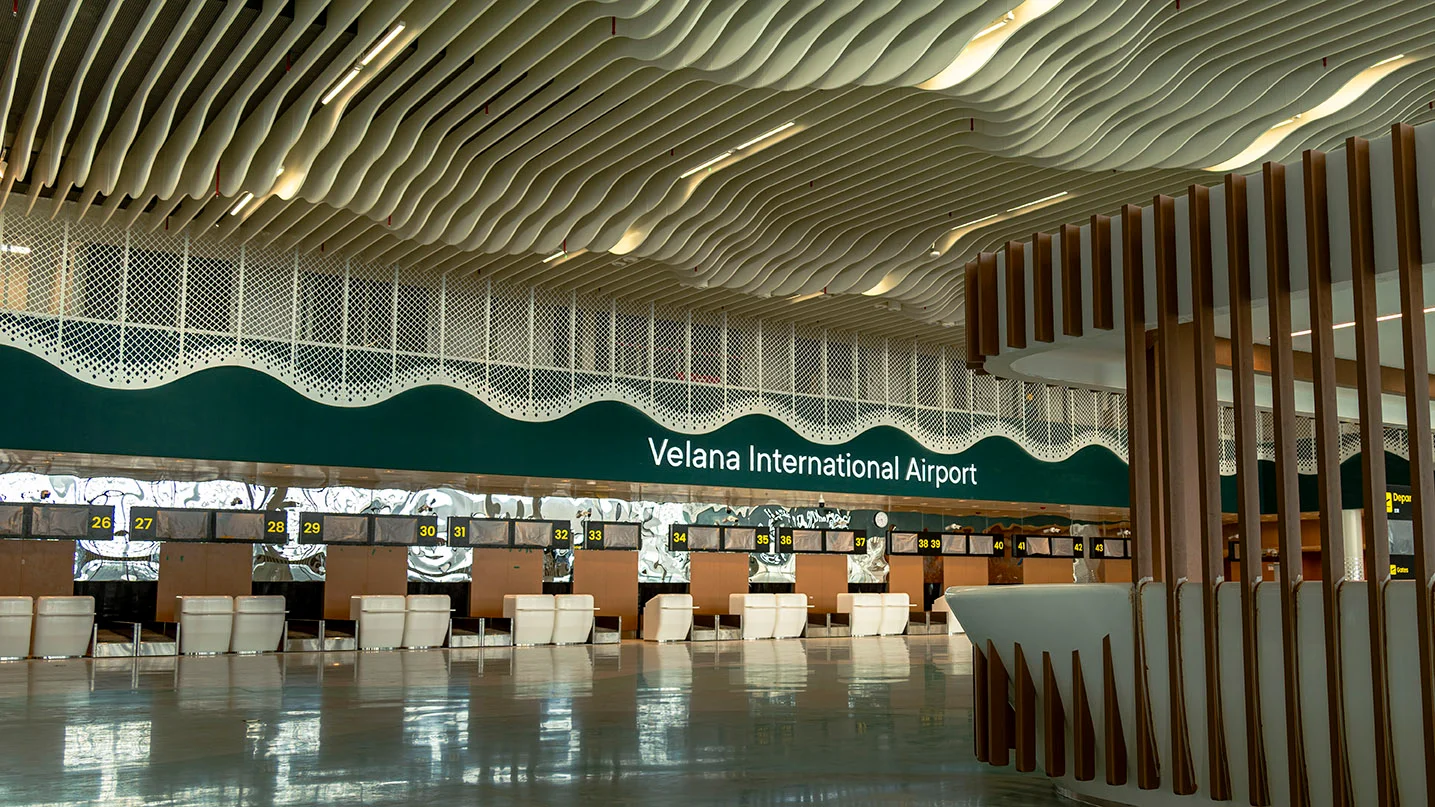
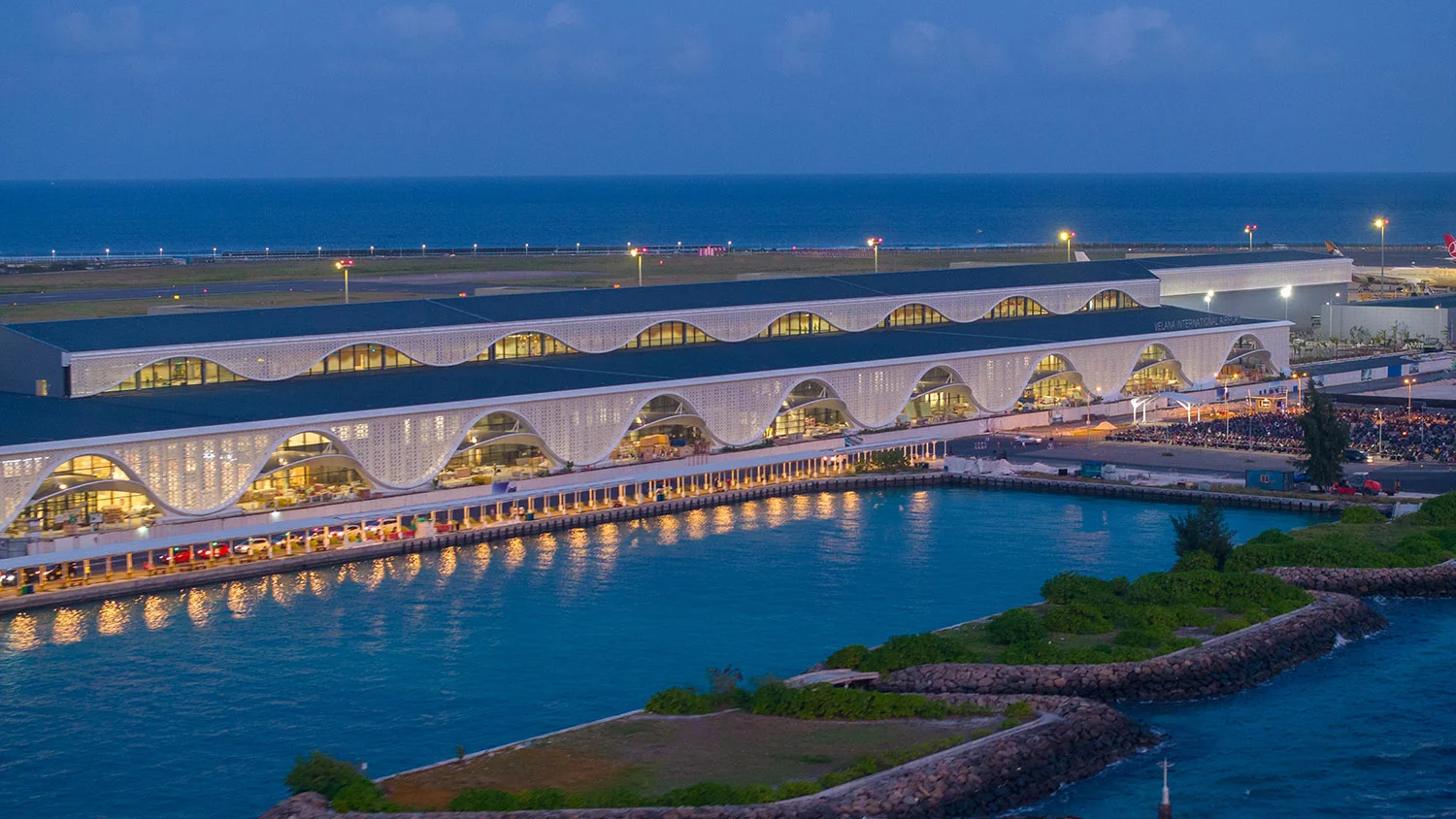
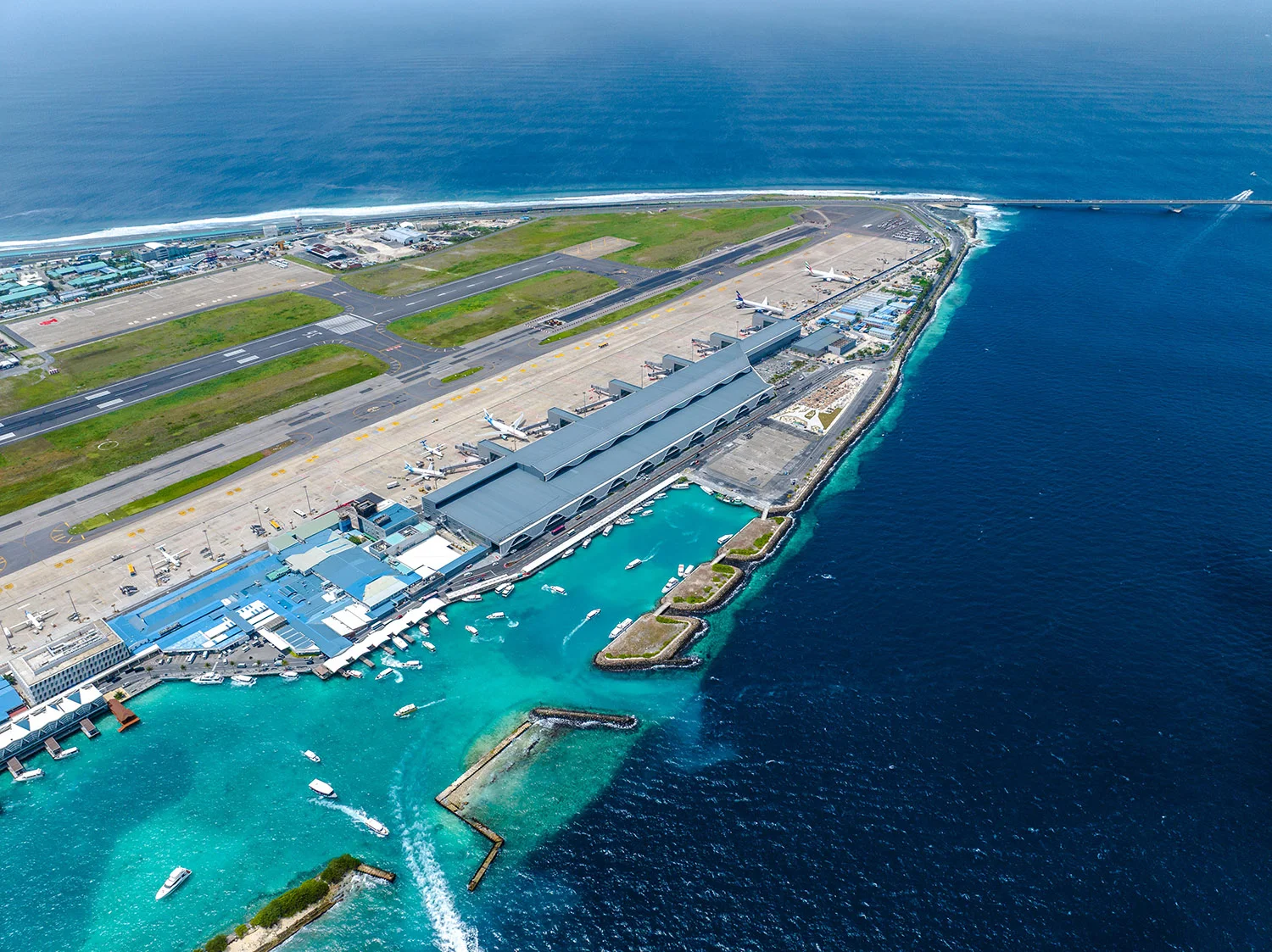
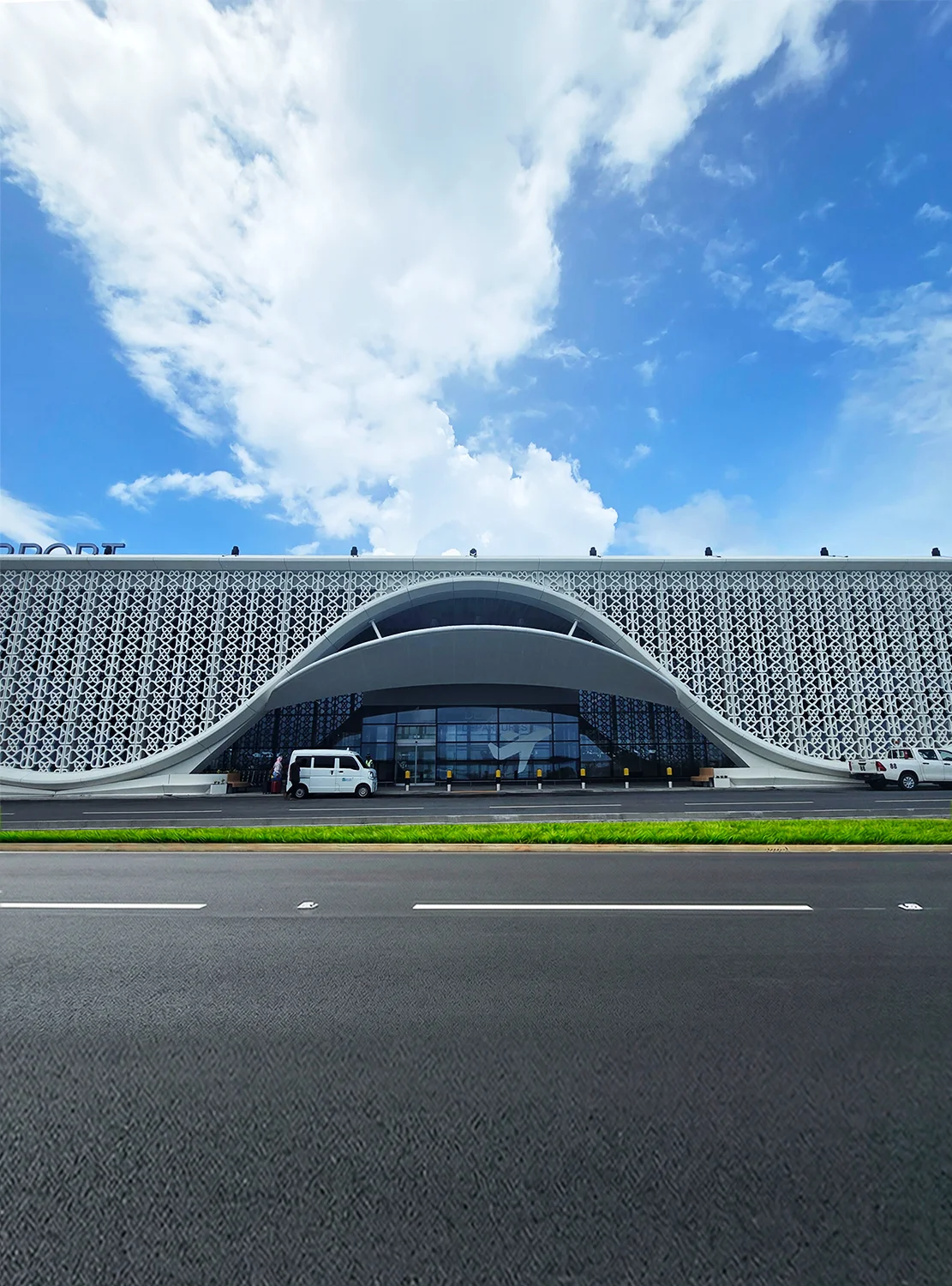
Developed between 2016 and 2025 and inaugurated in July 2025, the New Terminal Building at Velana International Airport represents a major national infrastructure investment for the Maldives. Commissioned by Maldives Airport Company Limited (MACL), with Saudi Binladin Group appointed as contractor and SETEC as lead engineer, 1PAX was selected to deliver the architectural and interior design of the new international terminal. With a total area of 102,000 m², the terminal is designed to accommodate 7.3 million passengers in Phase 1 and up to 9.5 million passengers in Phase 2.
Key Challenge
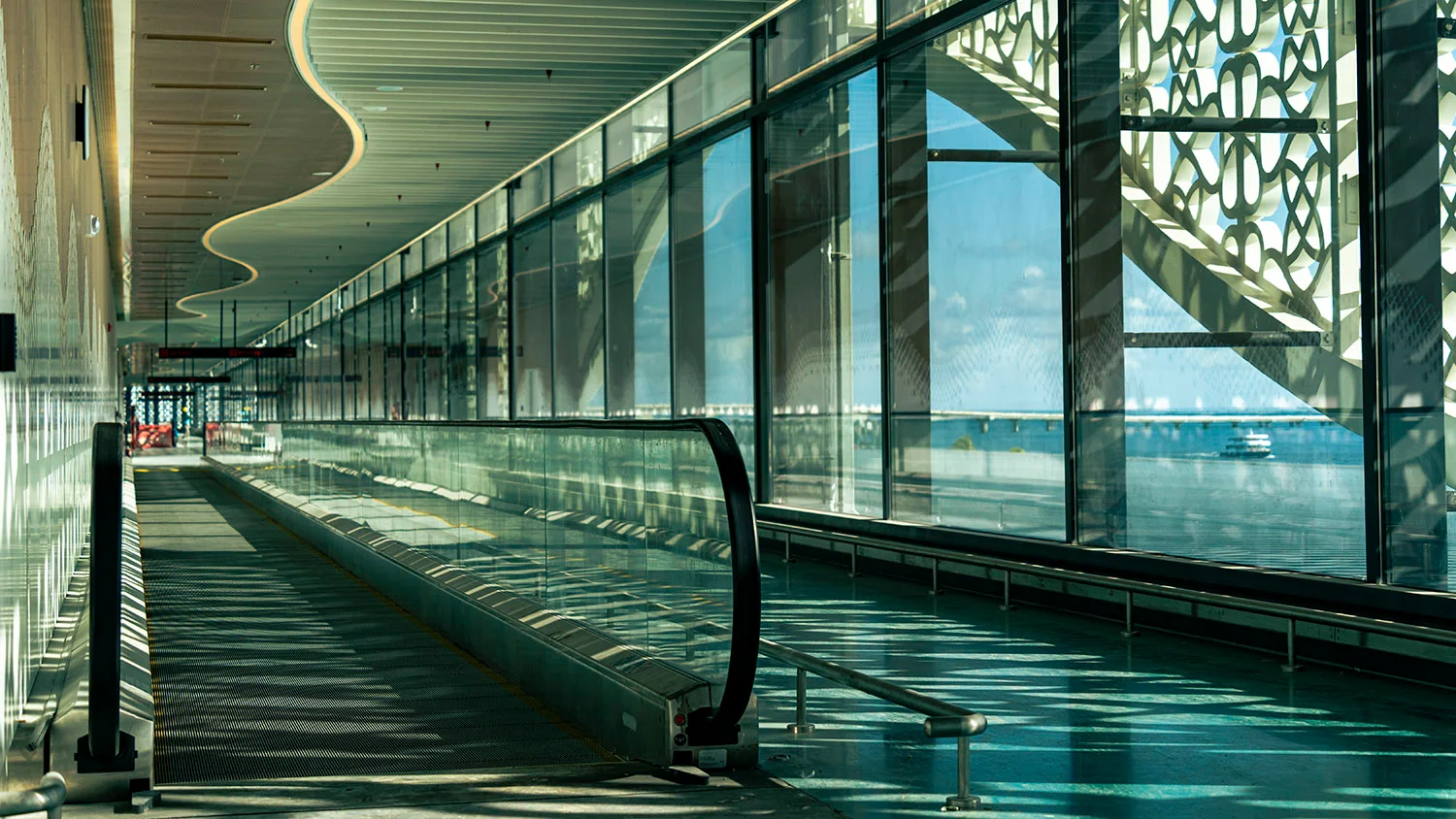
The airport required a new terminal capable of responding to rapid traffic growth while addressing the unique logistical and experiential conditions of an island nation. A critical challenge was the creation of a clear and efficient connectivity zone linking the terminal with the seaplane terminal, jetty piers, and landside resort transfers—an essential interface for a country where air–sea intermodality defines the travel experience. At the same time, the terminal needed to deliver a strong first impression aligned with the Maldives’ global tourism identity.
Our Approach
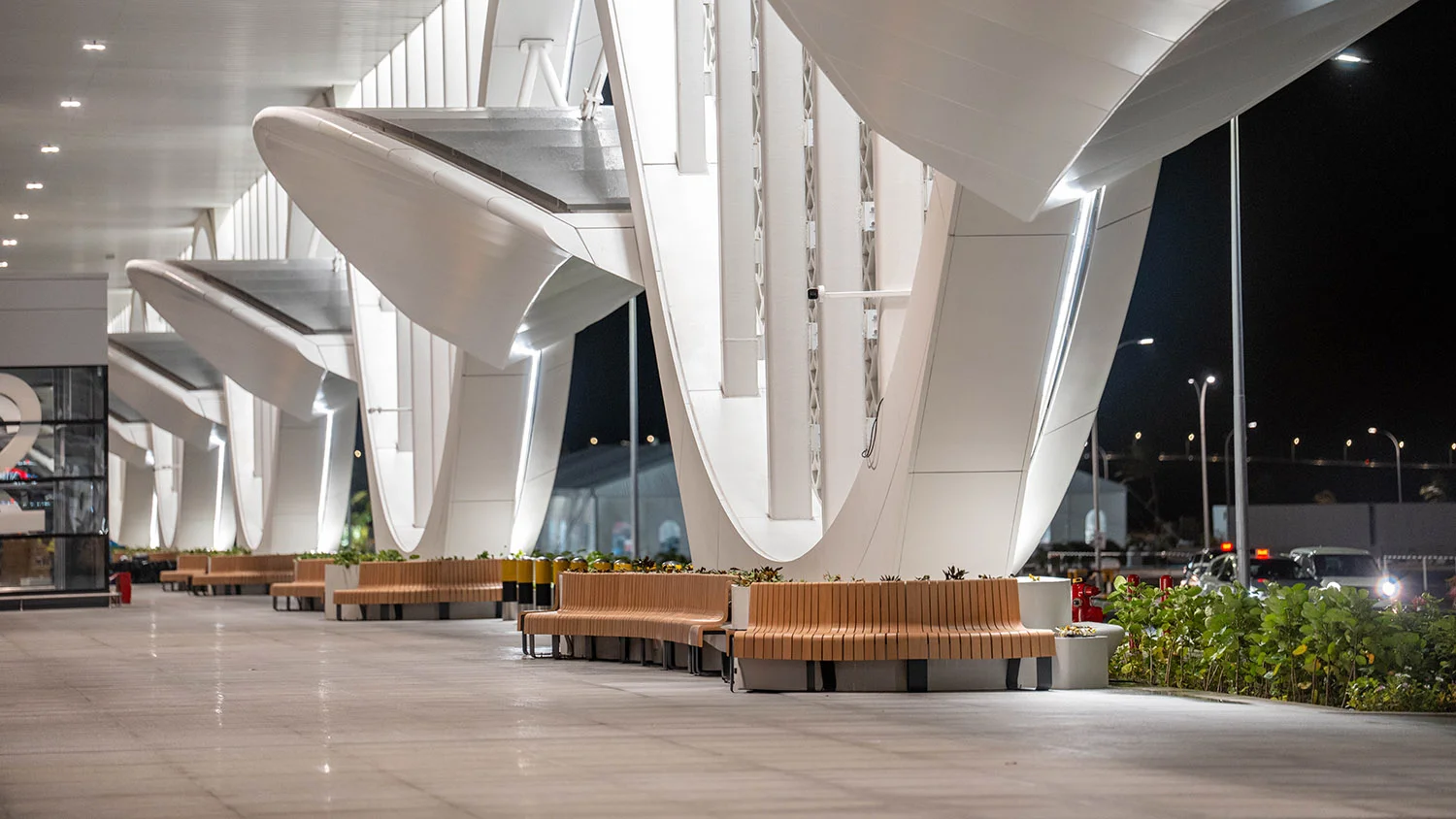
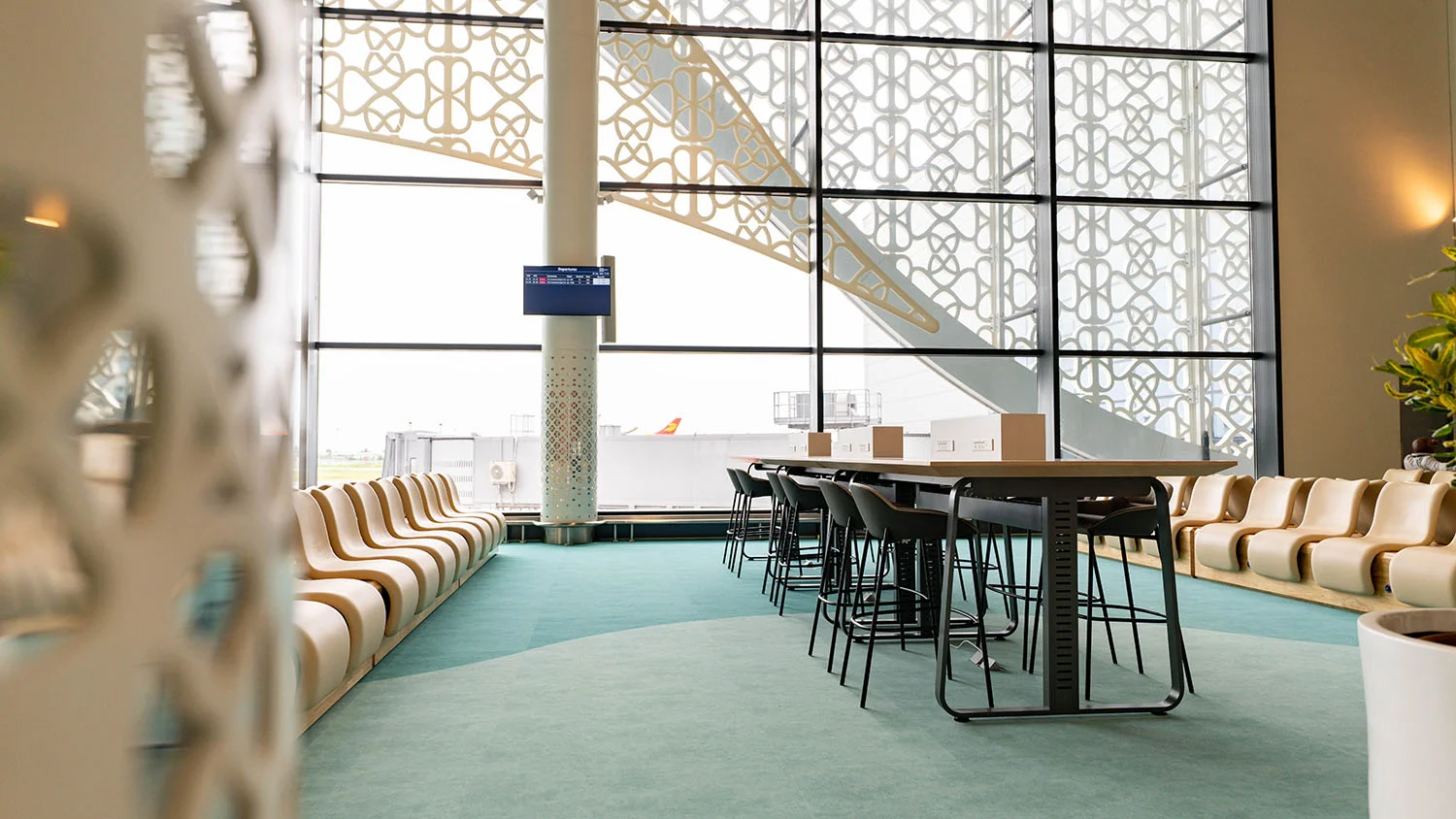
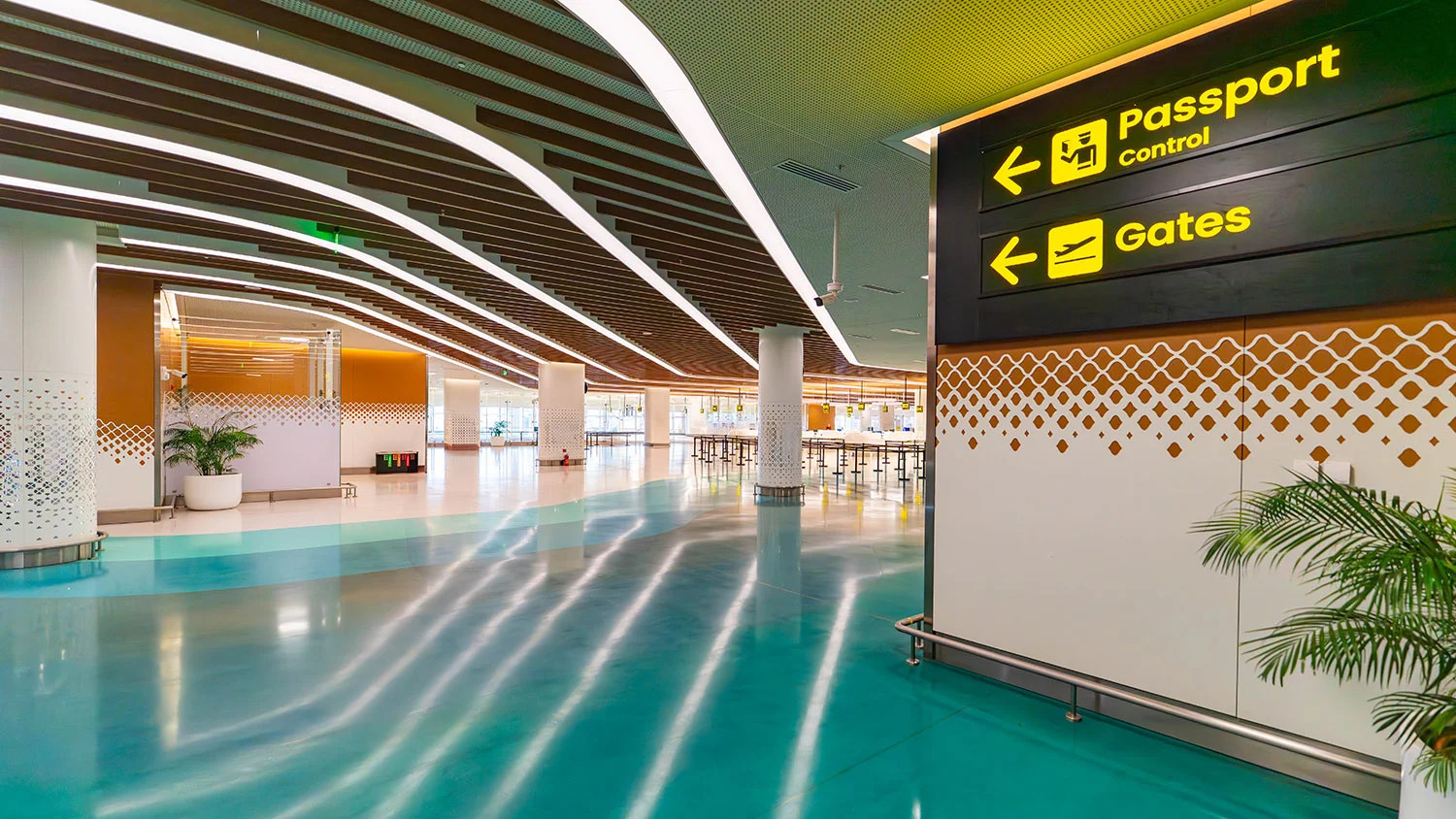
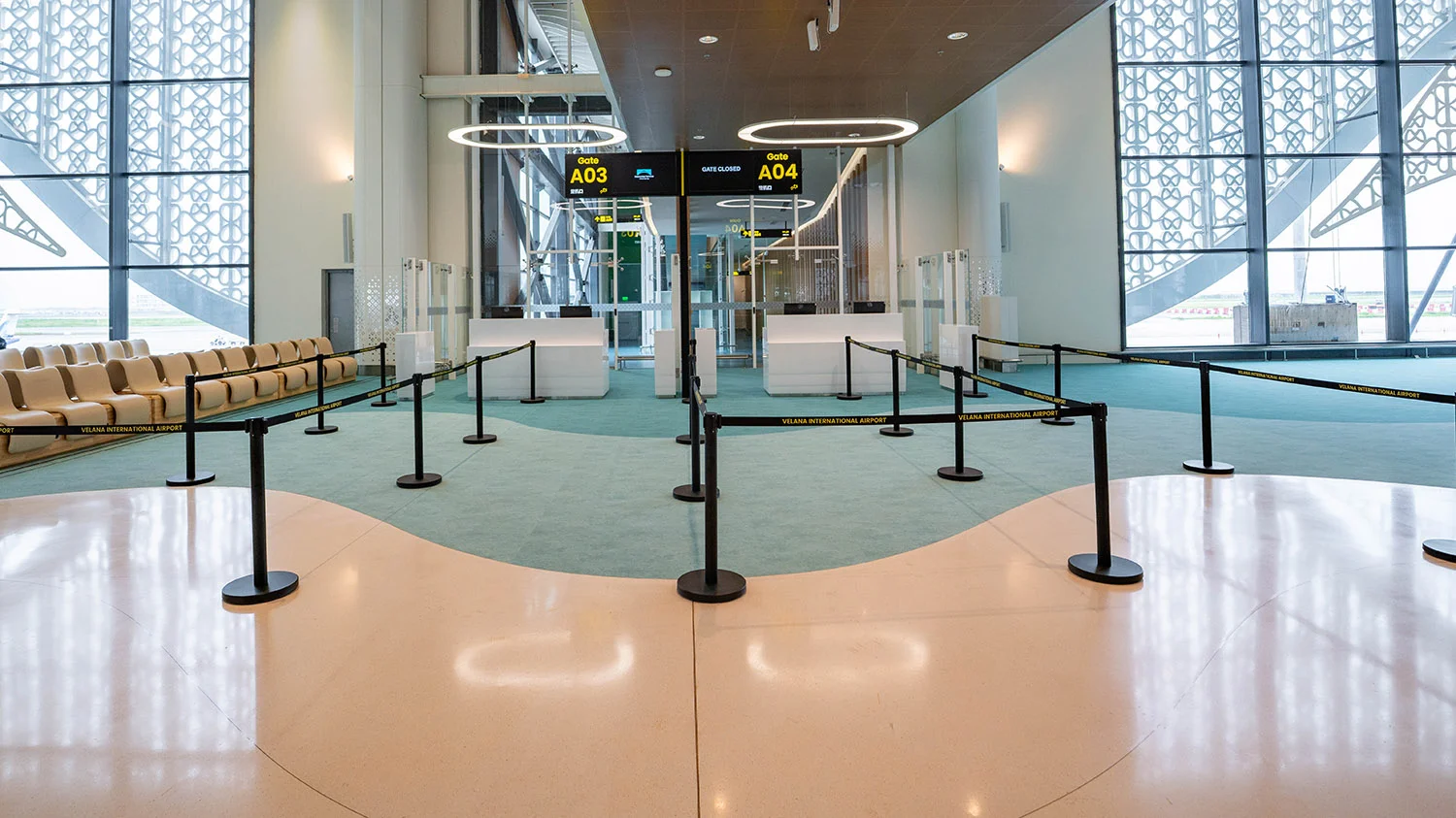
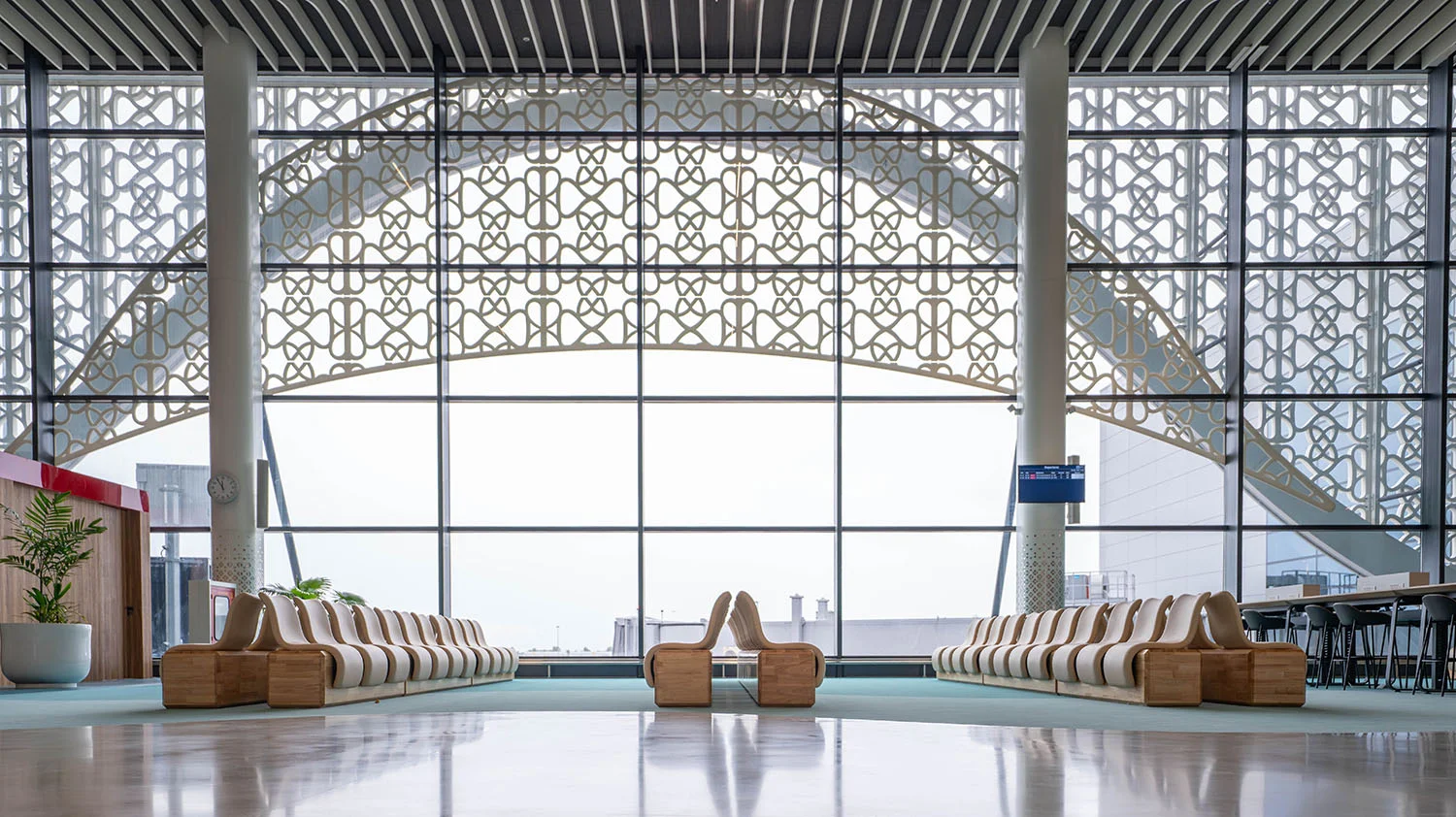
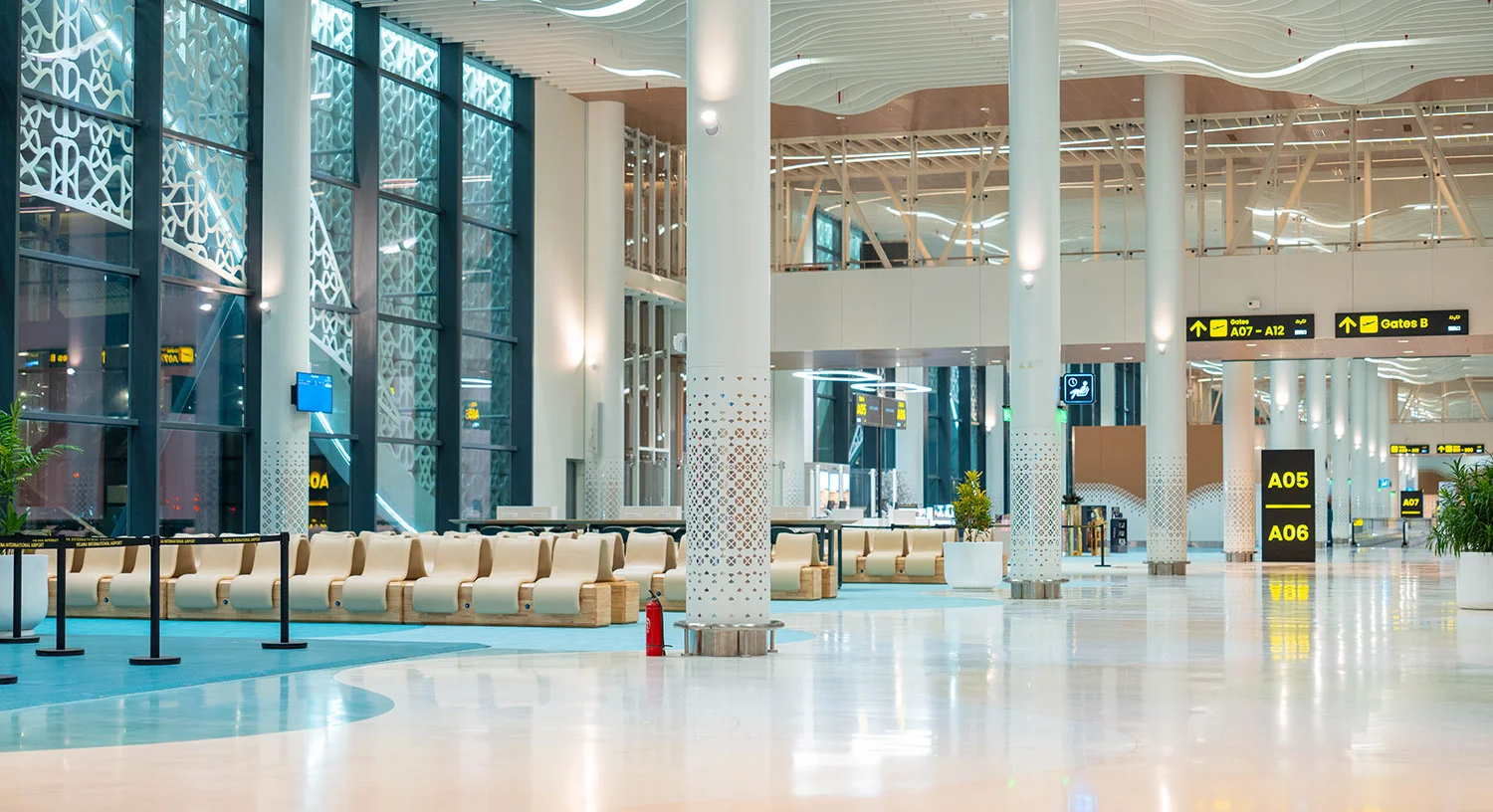
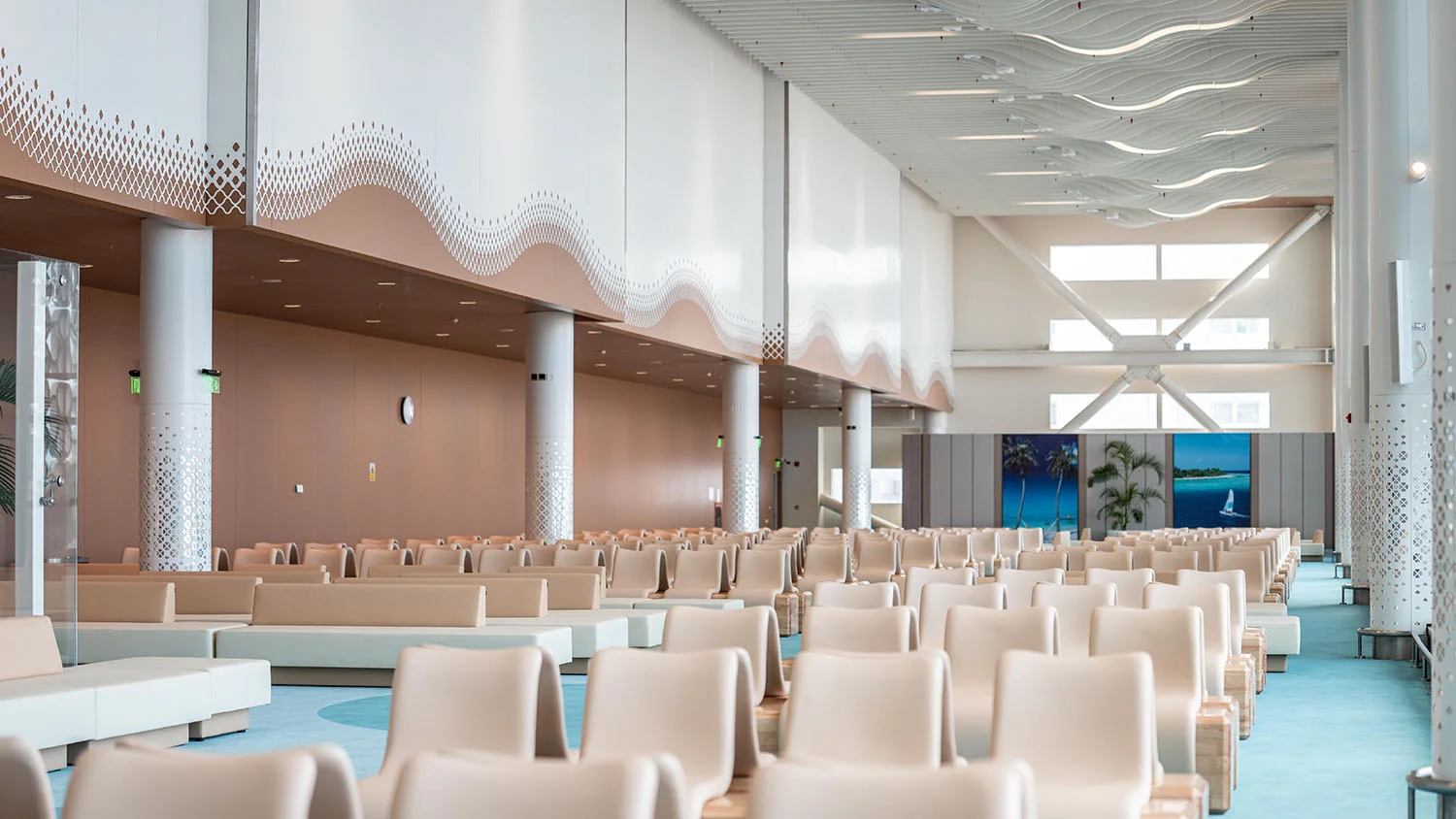
1PAX developed an architectural concept centered on clarity of movement, spatial generosity, and intuitive wayfinding. A key design component is the resort plaza, conceived as a contemporary arrival and distribution space that connects the terminal seamlessly to seaplane operations, marine transport, and onward resort destinations. This plaza acts as both an infrastructural hub and a symbolic threshold, welcoming travelers with a sense of openness and calm.
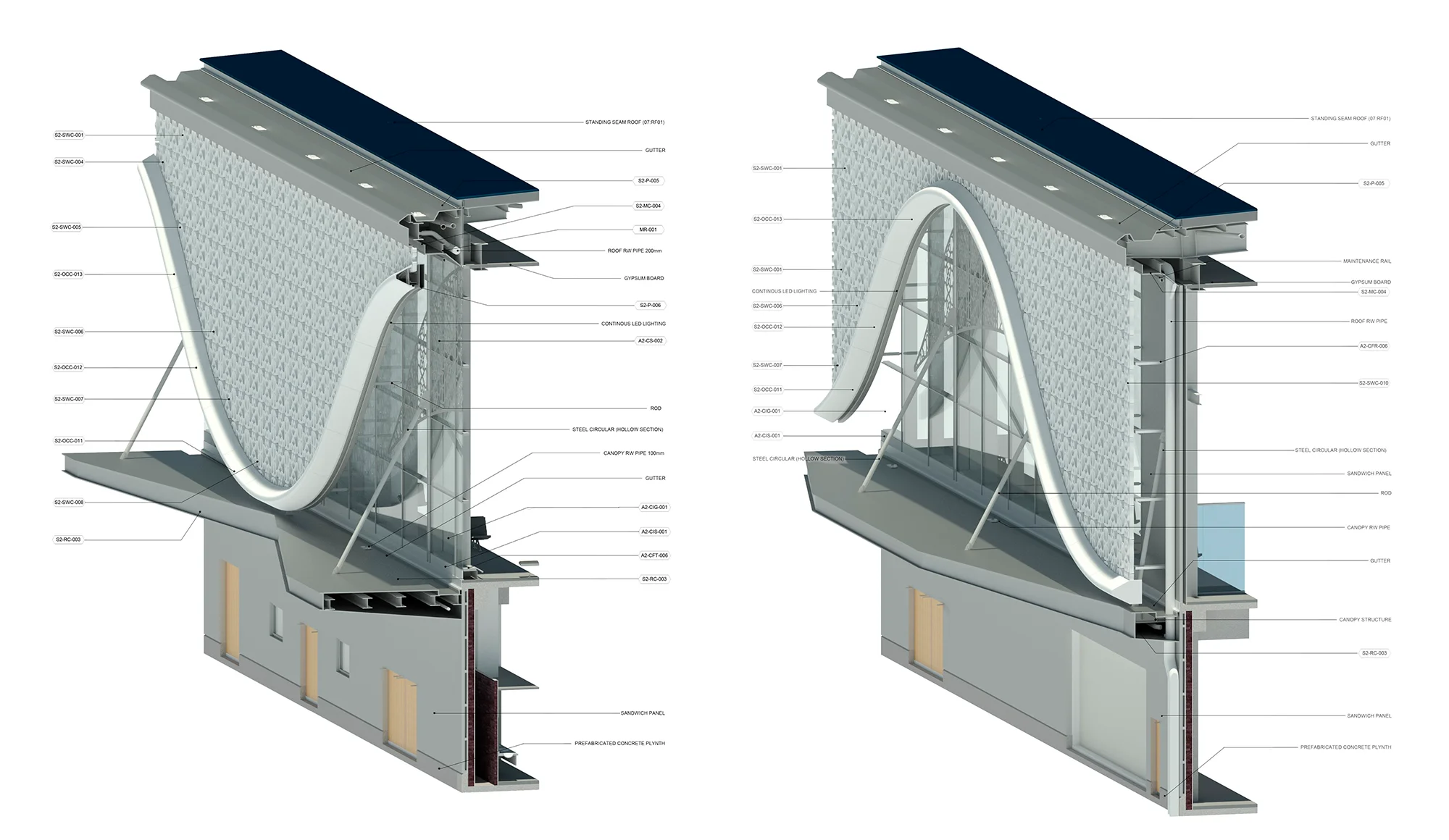
The project was fully developed in Building Information Modeling (BIM), involving a multidisciplinary team of over 30 architects and engineers. This approach ensured precise coordination across architecture, structure, systems, and construction sequencing. The design was approved by MACL in August 2017, enabling construction to proceed within a highly complex logistical environment.
Photos by: MACL and Gaoyu Zhao

.svg)